
The Mekong Delta in southern Vietnam is famous for its winding waterways, floating markets, lush fruit orchards, and welcoming local communities. But beyond its beautiful landscapes, the region is also a wonderful destination for food lovers.
Thanks to its fertile farmland, abundant freshwater fish, coconut groves, and tropical fruits, the Mekong Delta has developed a distinctive culinary identity. Meals often feature fresh ingredients, fragrant herbs, rice, coconut milk, and a balance of sweet, sour, salty, and savory flavors.
From sizzling Vietnamese pancakes to flavorful noodle soups and freshly caught river fish, discovering local cuisine is one of the best ways to experience the region's culture.
If you are planning a trip to southern Vietnam, here are 10 must-try foods in the Mekong Delta to add to your culinary itinerary.
1. Bánh Xèo – Vietnamese Crispy Pancakes
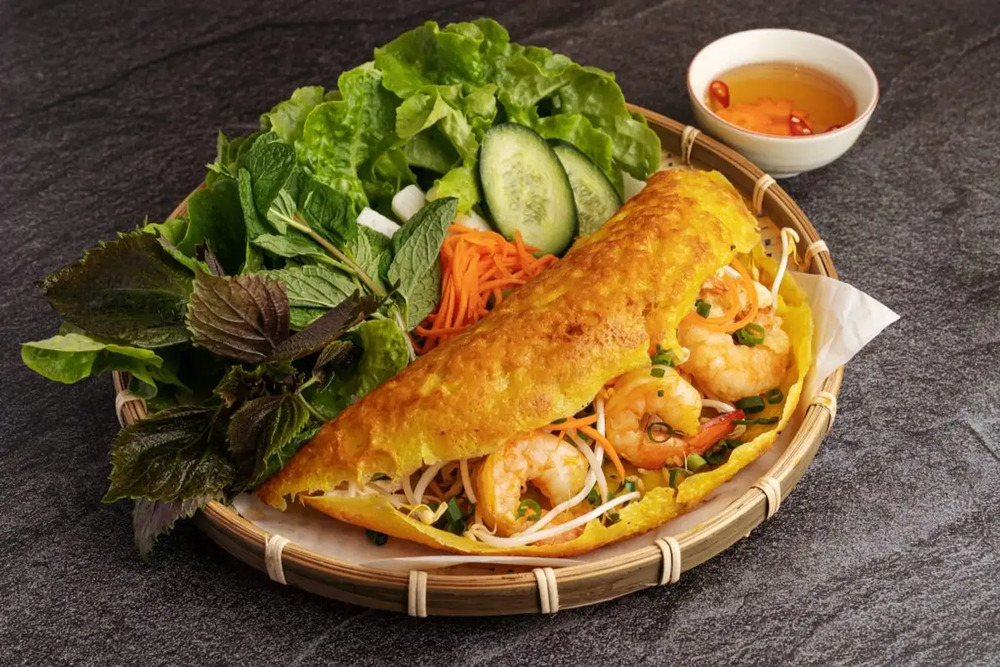
Bánh xèo is one of Vietnam's best-known traditional dishes, and the Mekong Delta has its own delicious interpretations.
These large, thin pancakes are made from rice flour, water, and turmeric, sometimes with coconut milk added to the batter. They are filled with ingredients such as pork, shrimp, and bean sprouts, then cooked until the edges become golden and crispy.
What makes Mekong Delta bánh xèo distinctive is often its generous size and the use of fresh local herbs and vegetables. To eat it, tear off a piece of pancake, wrap it in lettuce or mustard leaves with herbs, and dip it into Vietnamese fish sauce.
The combination of crunchy pancake, savory filling, fresh greens, and tangy dipping sauce creates a satisfying mix of textures and flavors.
Where to try it: Local restaurants and family-run eateries throughout Can Tho, Ben Tre, and other Mekong Delta provinces.
(Source: Sakos)
2. Cá Lóc Nướng Trui – Grilled Snakehead Fish
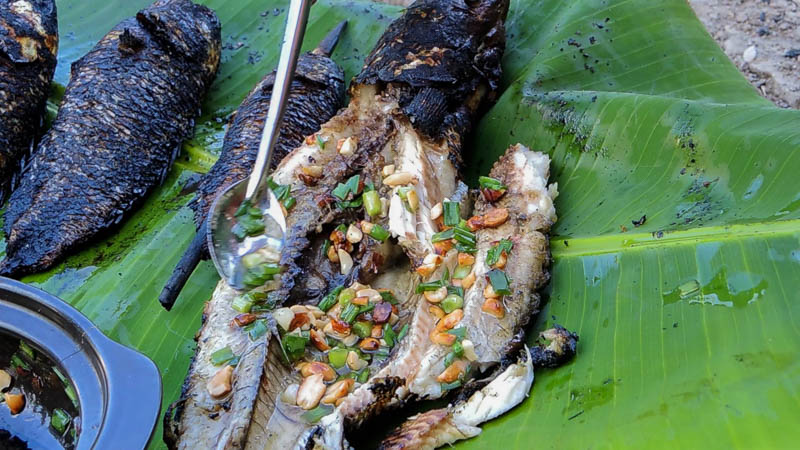
Cá lóc nướng trui is a traditional southern Vietnamese dish made with whole snakehead fish grilled over an open fire. Traditionally, the fish is cooked without elaborate preparation, allowing its natural flavor to remain the focus.
The fish is typically served with rice paper, fresh herbs, cucumber, green banana, and dipping sauces. Diners wrap pieces of grilled fish with the accompanying vegetables and enjoy them as fresh rolls.
Its smoky aroma and tender flesh make it a popular choice for communal meals, particularly in rural areas where freshwater fish are an important part of the local diet.
For an authentic Mekong Delta dining experience, look for restaurants serving grilled fish alongside other regional specialties.
Where to try it: Rural restaurants and traditional eateries in Dong Thap, An Giang, and Can Tho.
(Source: Lao Dong Newspaper)
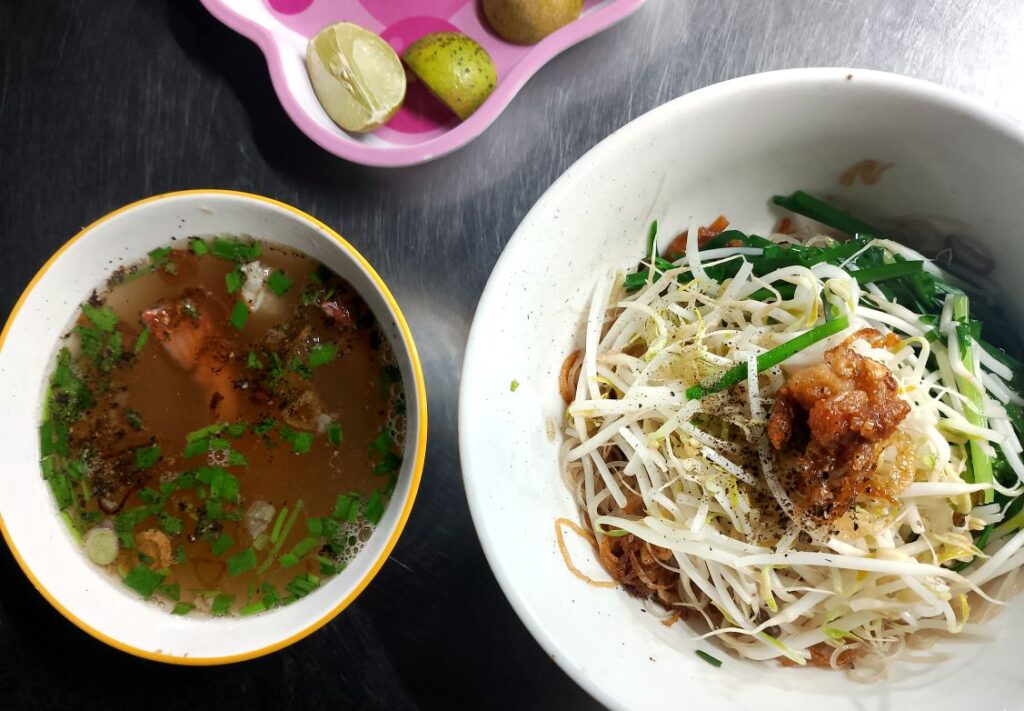
3. Hủ Tiếu Mỹ Tho – My Tho Noodle Soup
Hủ tiếu Mỹ Tho is one of the signature dishes of Tien Giang Province. It is particularly associated with My Tho, a city known for its long-standing noodle-making tradition.
The dish features rice noodles served with a flavorful pork-based broth or, in some versions, with the broth served separately. Toppings may include sliced pork, shrimp, minced pork, and fresh vegetables.
The noodles are known for their distinctive texture, while the broth provides a savory foundation for the other ingredients. Regional variations offer different combinations of toppings and seasonings.
A bowl of hủ tiếu makes an excellent breakfast or lunch during a Mekong Delta journey. Like many Vietnamese noodle dishes, it is often accompanied by herbs, lime, and chili so diners can adjust the flavor to their preference.
Where to try it: My Tho, Tien Giang, and noodle shops across the southern region.
(Source: Lao Dong Newspaper)
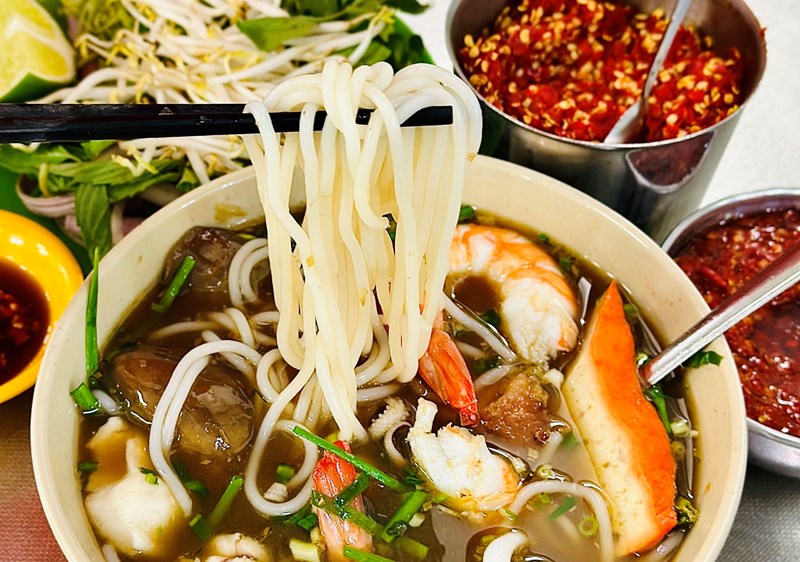
4. Bún Mắm – Southern Vietnamese Fermented Fish Noodle Soup
For adventurous food lovers, bún mắm is one of the most distinctive dishes to try in the Mekong Delta.
This rich noodle soup is prepared with a broth flavored with fermented fish, creating a deep, savory aroma. Depending on the restaurant and local recipe, the bowl may contain shrimp, fish, squid, pork, or other seafood ingredients.
Fresh vegetables and herbs are essential accompaniments, helping balance the broth's intense flavor. Eggplant is also commonly used in the soup.
Bún mắm may be an acquired taste for some visitors because of its strong fermented fish character. However, it offers a fascinating introduction to the traditional ingredients and culinary techniques of southern Vietnam.
Where to try it: Can Tho, Soc Trang, and other cities in the Mekong Delta.
(Source: Lao Dong Newspaper)
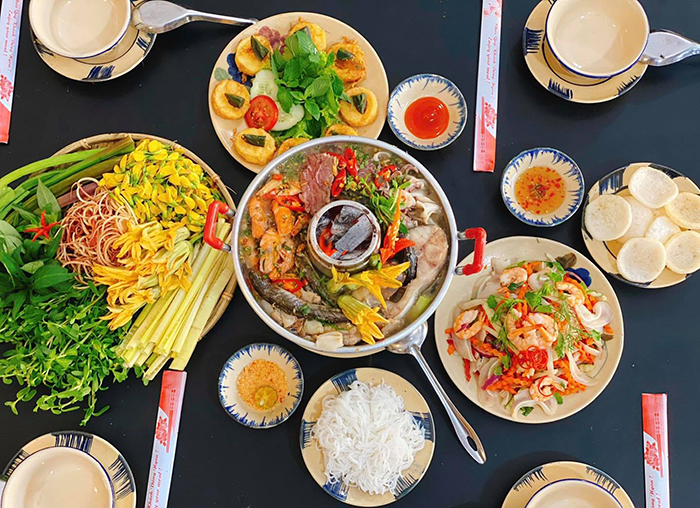
5. Lẩu Mắm – Mekong Delta Fermented Fish Hotpot
If you are traveling with family or friends, lẩu mắm is a wonderful dish to share.
This hotpot uses a broth flavored with fermented fish, often combined with lemongrass and other seasonings. Diners cook or add an assortment of fish, shrimp, squid, pork, and vegetables to the simmering broth.
One of the highlights is the variety of vegetables available in the Mekong Delta, including water lily stems, water spinach, eggplant, and other seasonal greens.
Hotpot is particularly suited to leisurely meals, allowing everyone at the table to cook ingredients at their own pace. The result is a hearty and flavorful dining experience that reflects the region's abundant river produce.
Where to try it: Traditional restaurants in Can Tho, Chau Doc, and other parts of the Mekong Delta.
(Source: Lao Dong Newspaper)
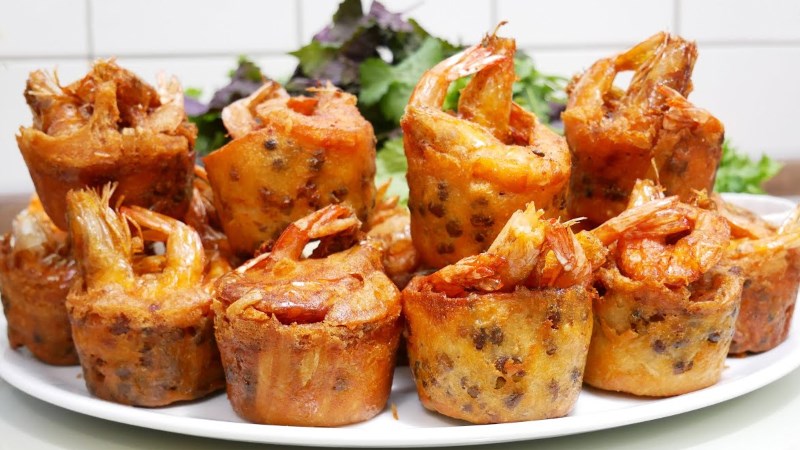
6. Bánh Cống – Crispy Savory Cakes from Soc Trang
Bánh cống is a well-known specialty associated with Soc Trang, a province influenced by Vietnamese, Khmer, and Chinese culinary traditions.
These small savory cakes are made by pouring a mixture of batter, mung beans, and fillings such as minced pork and shrimp into a cylindrical metal mold before deep-frying.
The finished cakes have a crisp exterior and a soft, savory center. They are typically served with fresh herbs, leafy vegetables, and fish sauce-based dipping sauce.
The contrast between the crunchy cake and refreshing greens makes bánh cống an appealing street-food snack or light meal.
If your Mekong Delta itinerary includes Soc Trang, look for a local stall or restaurant specializing in this regional dish.
Where to try it: Soc Trang and selected Vietnamese restaurants specializing in southern cuisine.
(Source: Dien may Xanh)
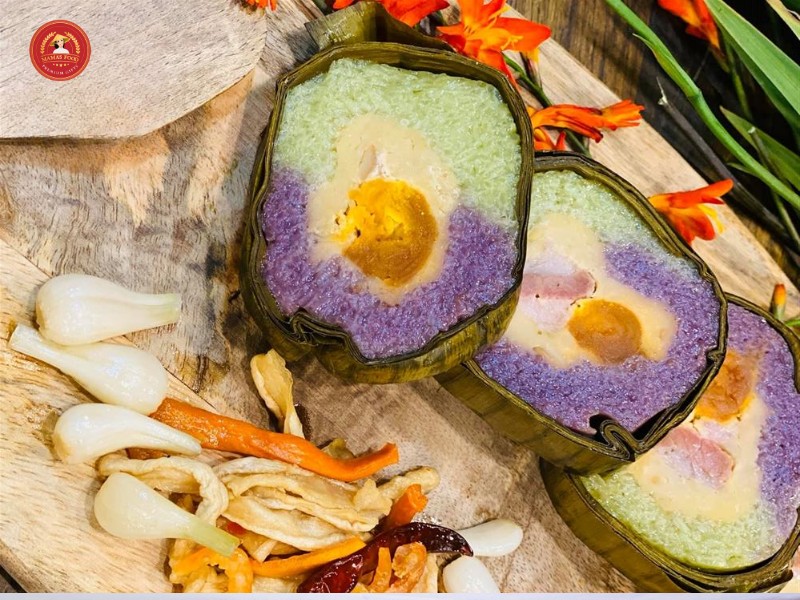
7. Bánh Tét Lá Cẩm – Purple Sticky Rice Cake from Can Tho
Bánh tét is a traditional Vietnamese cylindrical sticky rice cake commonly enjoyed during Lunar New Year and other family celebrations.
In Can Tho, one distinctive version is bánh tét lá cẩm, recognizable by its purple sticky rice. The color comes from lá cẩm, a plant traditionally used as a natural coloring ingredient.
The cake is wrapped in banana leaves and cooked slowly. Depending on the recipe, the filling may include mung beans, pork, salted egg yolk, or other ingredients.
Its attractive color and rich filling make it both a festive food and a popular regional specialty. It is also a good example of how local ingredients give familiar Vietnamese dishes a distinct regional identity.
Where to try it: Can Tho markets, traditional food shops, and local specialty stores.
(Source: MamaFood)
8. Fresh Tropical Fruits – A Taste of the Mekong Orchards
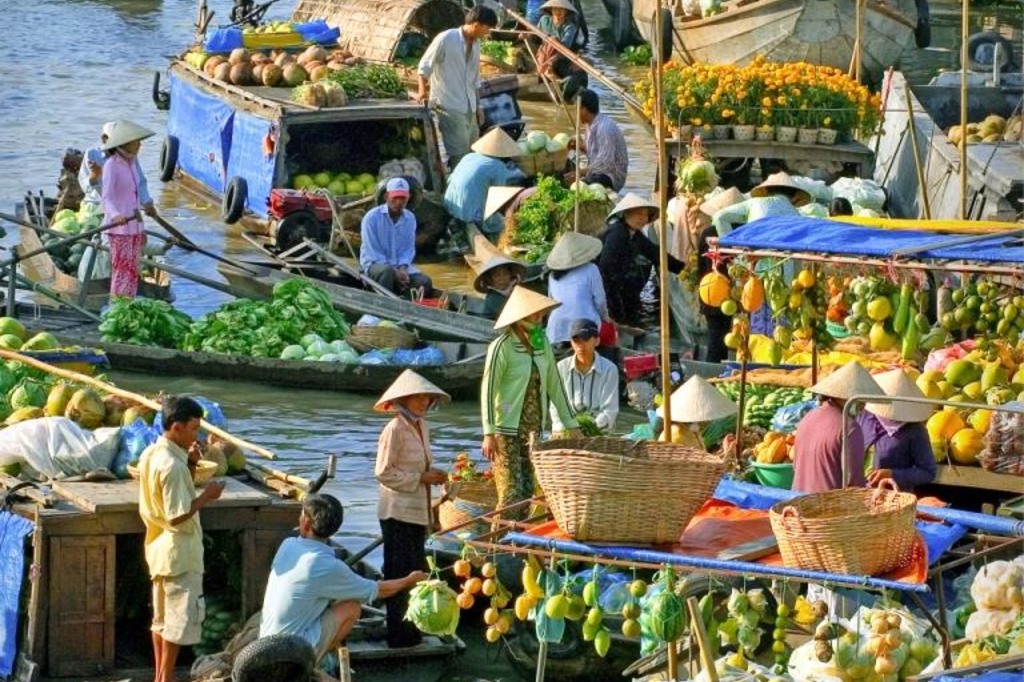
The Mekong Delta is one of Vietnam's most important fruit-growing regions. Its fertile alluvial soil and tropical climate support a wide range of fruits, including mangoes, pomelos, rambutans, longans, durians, and mangosteens.
Visiting a fruit orchard is an enjoyable way to discover these ingredients at their source. Depending on the season and farm, visitors may be able to sample freshly harvested fruit and learn about local cultivation practices.
Fruit varieties and harvest periods differ throughout the year, so the selection depends on when you visit.
For travelers who enjoy fresh, naturally sweet flavors, a Mekong Delta fruit orchard can be a highlight of the trip.
Where to try it: Fruit orchards around Cai Be, Ben Tre, Vinh Long, and other agricultural areas.
(Source: Lao Dong Newspaper)
9. Coconut-Based Desserts and Local Sweets
Coconut is an important ingredient in the cuisine and food traditions of Ben Tre, a province famous for its extensive coconut groves.
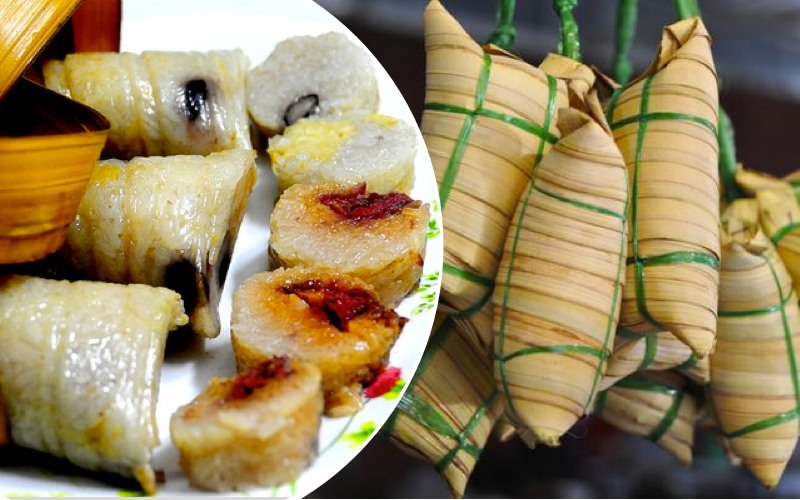
Local sweets may include coconut candy, coconut milk desserts, and sticky rice preparations. Coconut milk also appears in a variety of southern Vietnamese dishes, adding a creamy texture and gentle sweetness.
One popular specialty is kẹo dừa, or coconut candy, traditionally made with coconut milk and sugar, sometimes combined with ingredients such as peanuts or durian.
Visiting a local workshop can provide insight into how coconuts are processed into everyday products and regional treats. Many visitors also purchase packaged sweets as souvenirs.
Where to try it: Ben Tre's local markets, coconut candy workshops, and specialty shops.
(Source: Tuoi Tre Newspaper)
10. Chè – Traditional Vietnamese Sweet Desserts
After a savory meal, finish with chè, a broad category of Vietnamese sweet desserts and drinks.
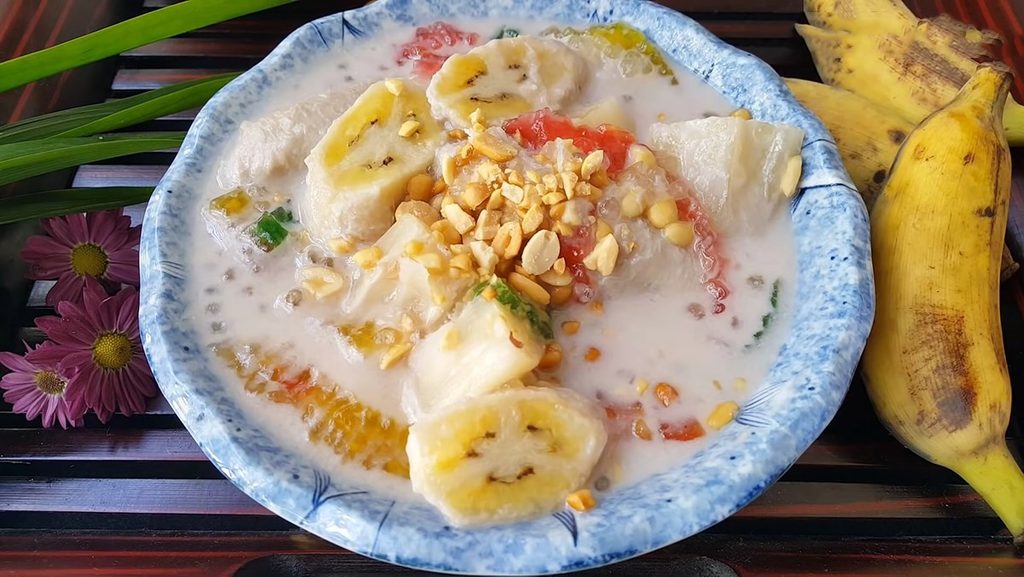
Depending on the recipe, chè may contain beans, sticky rice, tapioca pearls, jelly, fruit, or coconut milk. Some varieties are served warm, while others are chilled and especially refreshing in southern Vietnam's tropical climate.
The Mekong Delta's agricultural abundance provides ingredients for many local variations, including desserts featuring bananas, mung beans, and coconut.
Chè is commonly sold at local markets, dessert stalls, and casual eateries. If you are unsure which variety to choose, ask the vendor about the ingredients and whether the dessert is served hot or cold.
Where to try it: Local markets and street-food stalls throughout the Mekong Delta.
(Source: DonFood)
Where to Experience the Best Food in the Mekong Delta
The best way to discover Mekong Delta cuisine is to explore the region's different towns and food traditions rather than limiting yourself to one destination.
Can Tho: Noodle Soups and Floating Market Breakfasts
Can Tho is a convenient base for exploring the western Mekong Delta. Travelers can sample noodle soups, local snacks, and regional specialties at neighborhood eateries and markets.
A visit to Cai Rang Floating Market also offers a glimpse into river-based commerce and the role of food in everyday life. If you plan to eat breakfast at the market, arrive early and confirm which vendors are operating on the day of your visit.
Ben Tre: Coconut Specialties and Rural Food Experiences
Ben Tre is ideal for travelers interested in coconut products, fruit orchards, and countryside dining.
Local restaurants and family-run establishments often feature regional ingredients, while coconut candy workshops introduce visitors to one of the province's best-known products.
My Tho: A Destination for Hủ Tiếu
My Tho is the place to explore hủ tiếu Mỹ Tho, a noodle dish closely associated with the city.
Enjoying a bowl at a local noodle shop is a simple but rewarding way to experience the culinary identity of Tien Giang Province.
Soc Trang: Distinctive Regional Specialties
Soc Trang offers an opportunity to discover dishes such as bánh cống alongside the province's diverse cultural heritage.
Travelers interested in food and culture can combine local dining with visits to Khmer pagodas and other regional attractions.
Chau Doc: Bold Flavors and River Fish
Chau Doc is known for fermented fish products and dishes influenced by the area's river environment and cultural diversity.
It is a particularly interesting destination for travelers who want to explore the stronger, more distinctive flavors of southern Vietnamese cuisine.
Tips for Enjoying Local Food in the Mekong Delta
- Eat where local residents eat: Busy local eateries can be a useful starting point for discovering regional specialties.
- Try seasonal ingredients: Fish, vegetables, and fruit vary according to the season and local availability.
- Ask about ingredients: Some dishes contain fermented fish, shellfish, peanuts, or other ingredients that may not suit every traveler.
- Choose freshly prepared food: Look for food that is cooked thoroughly and served hot. Use safe drinking water and be cautious with raw ingredients if you have a sensitive stomach.
- Communicate dietary requirements: If you are vegetarian or have food allergies, explain your requirements clearly. Traditional fish sauce, shrimp paste, and animal-based broths may appear in dishes that otherwise look vegetable-based.
- Bring cash for small purchases: Local markets and street-food stalls may not accept international cards.
Explore the Mekong Delta Through Its Food
Food is one of the most rewarding ways to understand the Mekong Delta. From the savory depth of bún mắm to the crispy texture of bánh xèo and the natural sweetness of fresh tropical fruit, each dish tells a story about the region's ingredients, communities, and culinary traditions.
Whether you are exploring Can Tho's markets, visiting coconut workshops in Ben Tre, or discovering local noodle dishes in My Tho, leave time in your itinerary to enjoy meals at a relaxed pace.
Ready to discover southern Vietnam? Explore our Mekong Delta tours and experience the region's waterways, traditional villages, local markets, and regional cuisine. A journey through the Mekong Delta offers much more than beautiful scenery—it is an opportunity to taste the everyday life of southern Vietnam.