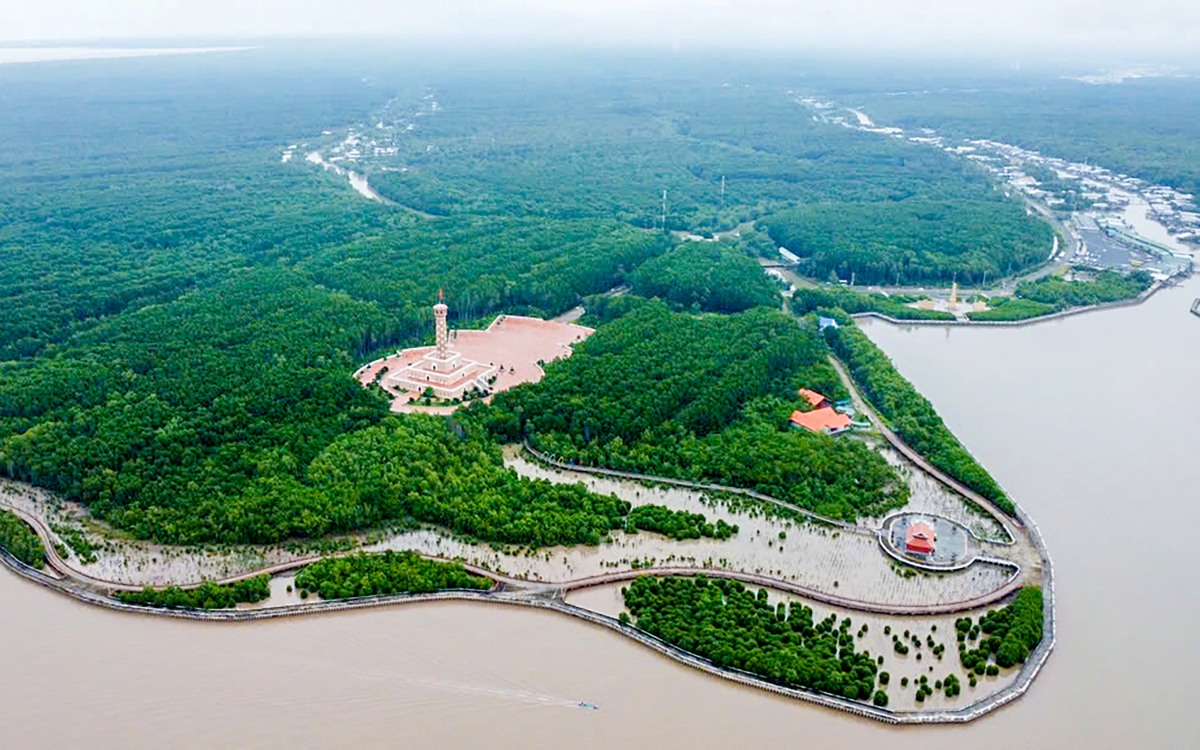
Located at the southernmost tip of mainland Vietnam, Ca Mau Cape National Park is one of the most fascinating natural destinations in the Mekong Delta. Far from the busy streets of major cities, this remarkable destination offers a peaceful world of dense mangrove forests, winding waterways, rich biodiversity, and traditional coastal communities.
For travelers looking to explore a different side of southern Vietnam, Ca Mau Cape is an ideal destination. Here, nature and local life are closely connected, creating an authentic travel experience unlike anywhere else in the country.
From cruising through mangrove-lined rivers and discovering unique wetland ecosystems to visiting the famous southernmost landmark of Vietnam, a journey to Ca Mau Cape promises unforgettable memories for nature lovers and cultural explorers.
1. Where Is Ca Mau Cape National Park?
Ca Mau Cape National Park, also known as Mui Ca Mau National Park, is located in the southernmost part of Vietnam, in Ca Mau Province, within the Mekong Delta region.
The national park covers more than 41,800 hectares and protects an extensive coastal mangrove ecosystem. It is part of the Ca Mau Cape World Biosphere Reserve, which was recognized by UNESCO in 2009.
In 2013, the national park was also designated as a Ramsar Site, recognizing its international importance as a wetland ecosystem.
One of the most remarkable features of this destination is its geographical location. Ca Mau Cape marks the southernmost point of mainland Vietnam, where the land gradually extends into the sea through natural sedimentation.
Unlike many conventional tourist destinations, Ca Mau Cape offers visitors an opportunity to discover the natural landscapes, biodiversity, and traditional lifestyles of Vietnam's southernmost region.
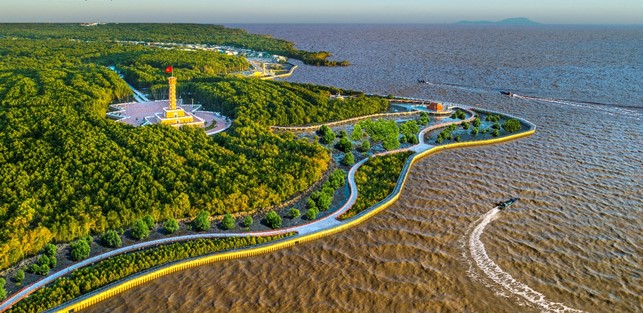
(Source: vuonqgmcm.camau.gov.vn)
2. Explore the Magnificent Mangrove Forests
One of the main highlights of Ca Mau Cape National Park is its extensive mangrove forest ecosystem.
Stretching along the coastline and surrounding numerous rivers and waterways, the mangrove forests create a unique natural landscape. Tall mangrove trees, exposed roots, winding canals, and muddy tidal flats form an environment that supports a wide variety of wildlife.
The mangrove ecosystem also plays an essential role in protecting the coastline, reducing erosion, providing habitats for aquatic species, and supporting the livelihoods of local communities.
As visitors explore the park, they can observe different mangrove species, including:
- Rhizophora: Known for its distinctive prop roots, which help stabilize the trees in soft coastal mud.
- Avicennia: A mangrove species with specialized roots that grow above the soil to absorb oxygen.
- Bruguiera: Another important mangrove species commonly found in tropical coastal ecosystems.
The dense vegetation and peaceful waterways make Ca Mau Cape an excellent destination for nature photography, wildlife observation, and eco-tourism activities.
For travelers who want to experience the natural beauty of the Mekong Delta beyond its famous floating markets, exploring these mangrove forests is an unforgettable experience.
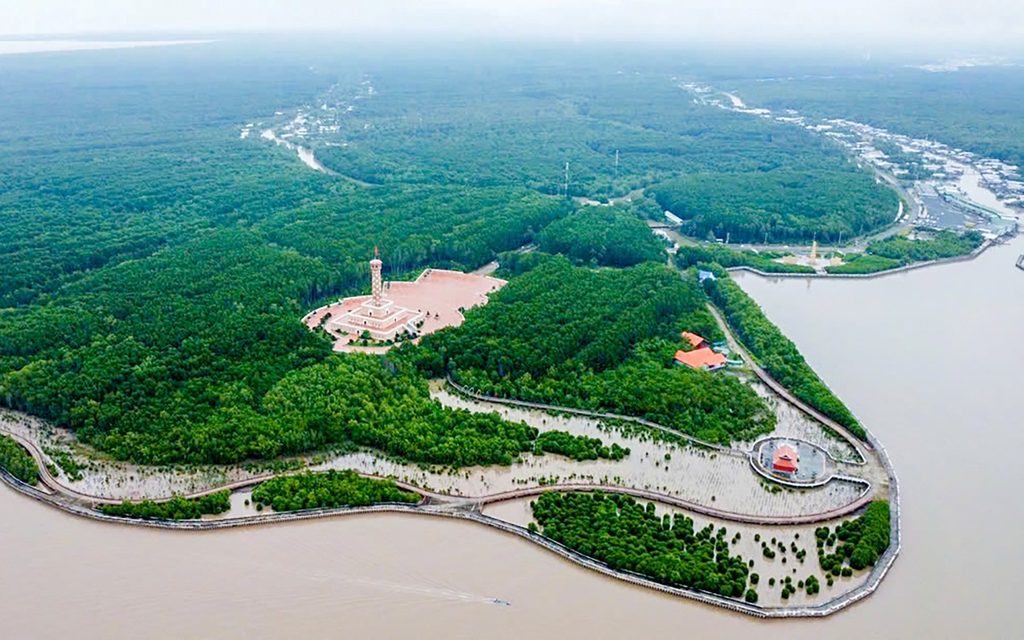
(Source: Tuoi Tre Newspaper)
3. Discover the Southernmost Landmark of Vietnam
A visit to Ca Mau Cape would not be complete without exploring the famous southernmost landmark of mainland Vietnam.
Located within the national park, this iconic area represents a special geographical and symbolic destination for Vietnamese people.
One of its most recognizable attractions is the GPS 0001 national coordinate marker, which symbolizes the southernmost point of mainland Vietnam.
Visitors can also discover several notable landmarks, including:
The Ca Mau Cape Symbolic Ship
This impressive monument is designed in the shape of a ship facing the sea. It represents Vietnam's southernmost geographical position and has become one of the most recognizable symbols of Ca Mau Cape.
The Observation Tower
The observation tower offers panoramic views of the surrounding mangrove forests, coastal landscapes, and vast tidal flats. From above, visitors can appreciate the remarkable scale of the wetland ecosystem.
Lac Long Quan Temple and the Mother Au Co Statue
These cultural landmarks reflect Vietnamese traditions and legends about the origins of the Vietnamese people. They add a meaningful cultural dimension to a visit to this remote natural destination.
Reaching the southernmost landmark is more than simply visiting another tourist attraction. For many travelers, it is a memorable opportunity to stand at the southern end of mainland Vietnam.
4. Experience a Boat Journey Through the Mangrove Forests
One of the best ways to explore Ca Mau Cape National Park is by boat.
The waterways running through the mangrove forests provide visitors with a closer look at the region's unique natural environment.
As the boat travels along the rivers and narrow canals, travelers can enjoy views of dense mangrove vegetation, traditional fishing activities, and the peaceful atmosphere of the coastal wetlands.
Depending on the route and local conditions, a boat excursion may include:
- Cruising through winding canals surrounded by mangrove trees.
- Observing local fishing and aquaculture activities.
- Discovering the different types of mangrove vegetation.
- Enjoying the peaceful scenery of the river and coastal landscapes.
- Learning about the importance of mangrove forests to the local environment.
Some excursions also offer opportunities to visit local aquaculture areas, where visitors can learn about traditional shrimp and crab farming.
This experience provides an excellent introduction to the relationship between nature and everyday life in the Mekong Delta.
5. Discover the Rich Biodiversity of Ca Mau Cape
Ca Mau Cape National Park is an important habitat for a wide range of wildlife, particularly species adapted to coastal wetlands and mangrove ecosystems.
According to Vietnam's national biodiversity conservation information, the park is home to numerous species of birds, mammals, reptiles, amphibians, and aquatic animals.
Birdlife is one of the most interesting aspects of the park. Its mangrove forests and tidal flats provide feeding, breeding, and resting habitats for many waterbirds.
Travelers may have opportunities to observe:
- Waterbirds searching for food along tidal mudflats.
- Egrets and herons moving through the mangrove vegetation.
- Pelicans and other waterbirds in suitable habitats.
- Fish, crabs, shrimp, and other aquatic species living within the wetlands.
The park also provides habitats for several rare and threatened species, highlighting its importance for biodiversity conservation.
For nature enthusiasts, birdwatchers, and eco-tourism travelers, Ca Mau Cape offers an opportunity to discover one of southern Vietnam's most valuable coastal ecosystems.
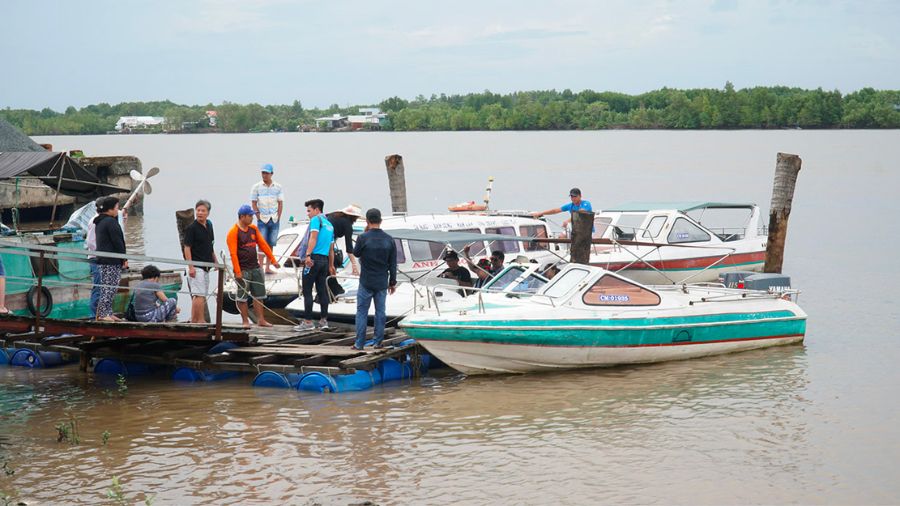
(Source: Mia.vn)
6. Experience the Traditional Life of Local Fishing Communities
Beyond its natural attractions, Ca Mau Cape is also home to coastal communities whose livelihoods are closely connected to the surrounding mangrove forests and waterways.
Fishing, shrimp farming, crab farming, and other aquaculture activities are important parts of everyday life in this region.
Visitors can discover how local residents make use of the natural resources while adapting to the changing coastal environment.
One particularly interesting aspect of local life is the traditional shrimp farming model associated with mangrove forests. In some areas, shrimp are raised in ponds integrated with mangrove vegetation, creating a farming system that connects aquaculture with forest conservation.
Travelers may also have opportunities to:
- Visit local fishing and aquaculture areas.
- Learn about traditional shrimp and crab farming.
- Discover local seafood preparation methods.
- Taste fresh regional specialties.
- Interact with residents and learn about their daily routines.
These experiences allow visitors to understand the cultural and economic importance of the mangrove ecosystem while discovering a more authentic side of the Mekong Delta.
7. Taste the Local Specialties of Ca Mau
A trip to Ca Mau would not be complete without discovering its distinctive southern Vietnamese cuisine.
Thanks to its coastal location and extensive waterways, the region is famous for fresh seafood and local agricultural products.
Some specialties worth trying include:
Ca Mau Mud Crab
Ca Mau mud crab is one of the region's most famous specialties. Known for its firm meat and rich flavor, it is commonly prepared by steaming, grilling, or cooking with tamarind sauce.
Grilled Snakehead Fish
A traditional southern Vietnamese dish, grilled snakehead fish is often served with fresh herbs, rice paper, vegetables, and dipping sauce.
Stir-Fried Sesarmid Crab
Small local crabs are prepared with tamarind, spices, or other traditional ingredients, creating a distinctive regional dish.
Honey from U Minh Melaleuca Forest
Although associated with the wider Ca Mau region, honey harvested from melaleuca forests in U Minh is another local specialty worth discovering.
Enjoying these regional dishes is a wonderful way to experience the culinary traditions and natural resources of southern Vietnam.
8. Best Time to Visit Ca Mau Cape National Park
Ca Mau has a tropical monsoon climate with two main seasons: the dry season and the rainy season.
Dry Season: December to April
The dry season is generally considered a favorable time to explore Ca Mau Cape.
During this period, rainfall is usually lower, making outdoor sightseeing, boat excursions, and forest exploration more convenient.
The weather is often sunny, although temperatures can be warm, especially around midday.
Rainy Season: May to November
The rainy season brings more frequent rainfall and lush green landscapes.
This period can be interesting for travelers who want to experience the wetland environment during its greener months. However, heavy rain and changing water conditions may affect boat excursions and outdoor activities.
For the most comfortable experience, travelers are generally advised to plan their visit between December and April.
Regardless of the season, it is recommended to check local weather conditions and boat schedules before traveling.
9. How to Get to Ca Mau Cape National Park
Ca Mau Cape is located approximately 100 kilometers from Ca Mau City, making it a relatively remote destination that requires some travel planning.
There are several ways to reach the area.
From Ho Chi Minh City
Travelers can take a sleeper bus or arrange a private transfer from Ho Chi Minh City to Ca Mau City.
The journey by road generally takes around 6–8 hours, depending on traffic and road conditions.
For international visitors, traveling by private vehicle can offer greater flexibility, especially when combining Ca Mau with other destinations in the Mekong Delta.
From Can Tho
Can Tho is another convenient starting point for exploring the southern Mekong Delta.
Visitors can travel from Can Tho to Ca Mau by bus or private vehicle. The journey generally takes around 3–4 hours, depending on traffic.
From Ca Mau City to Ca Mau Cape
From Ca Mau City, travelers can continue to the national park by private car or local transport.
Boat excursions are also available on selected routes, offering a scenic way to explore the mangrove waterways.
Visitors should arrange transportation in advance, particularly if they plan to explore the more remote areas of the national park.
10. Suggested Itinerary: Discover Ca Mau Cape in 2 Days
For travelers who want to experience the natural beauty and cultural attractions of Vietnam's southernmost region, a two-day itinerary offers a good balance of sightseeing and local experiences.
Day 1: Can Tho – Ca Mau – Local Exploration
- Depart from Can Tho in the morning.
- Travel through the peaceful landscapes of the Mekong Delta.
- Arrive in Ca Mau and enjoy lunch with local specialties.
- Continue to the Ca Mau Cape area.
- Explore the local surroundings and learn about the region's coastal lifestyle.
- Enjoy dinner and overnight accommodation in the area or Ca Mau City, depending on the travel arrangement.
Day 2: Ca Mau Cape National Park – Mangrove Forest Exploration – Departure
- Visit Ca Mau Cape National Park.
- Explore the GPS 0001 national coordinate marker and the symbolic ship monument.
- Enjoy panoramic views from the observation tower.
- Take a boat trip through the mangrove forests, subject to local conditions.
- Discover the coastal wetland ecosystem and traditional aquaculture activities.
- Enjoy lunch with local seafood.
- Return to Can Tho or continue your journey to another destination in southern Vietnam.
This itinerary can be customized according to transportation arrangements, accommodation preferences, weather conditions, and travelers' interests.
11. Responsible Tourism: Protecting the Mangrove Ecosystem
Ca Mau Cape National Park is not only a beautiful destination but also an important conservation area.
Mangrove forests play a vital role in maintaining ecological balance, protecting coastlines, supporting marine biodiversity, and helping local communities adapt to environmental changes.
As tourism continues to develop, responsible travel practices are essential to preserving this valuable natural environment.
Visitors can contribute to sustainable tourism by following a few simple guidelines:
- Avoid leaving plastic waste or other rubbish in the forest and waterways.
- Do not disturb birds or other wildlife.
- Follow designated routes and local park regulations.
- Avoid damaging mangrove trees and their root systems.
- Support local communities by choosing responsible local services and purchasing regional products.
- Respect the natural environment during boat excursions and outdoor activities.
By traveling responsibly, visitors can help protect the mangrove ecosystem while supporting the sustainable development of local communities.
Conclusion: Discover the Untouched Beauty of Vietnam's Southernmost Land
Ca Mau Cape National Park is a destination where nature, culture, and local life come together.
From its extensive mangrove forests and remarkable wetland biodiversity to the symbolic southernmost landmark of Vietnam, the region offers a unique travel experience for those seeking something beyond conventional sightseeing.
Whether you are cruising through quiet waterways, discovering traditional fishing communities, tasting fresh local seafood, or standing at the southernmost point of mainland Vietnam, every experience reveals a different side of the Mekong Delta.
At Mekong Delta, we believe that exploring this region is about more than visiting famous attractions. It is about discovering the natural environment, understanding local traditions, and connecting with the people who make the Mekong Delta so special.
Let us help you explore Ca Mau Cape and discover the authentic beauty of southern Vietnam through a memorable journey.
Plan your Mekong Delta adventure with us and discover Vietnam from north to south, all the way to its southernmost tip!