
Travel with Purpose in the Land of Rivers
The Mekong Delta is often called Vietnam’s “rice bowl,” but beyond its fertile fields and winding waterways lies a deeper story — one of people, culture, and nature coexisting for centuries.
As tourism grows, so does the responsibility to protect this fragile harmony.
Traveling responsibly in the Mekong isn’t just about where you go — it’s about how you go: with respect, awareness, and a willingness to give back.
Understanding the Mekong Way of Life
Life in the Mekong Delta flows gently, shaped by the river’s rise and fall.
Families depend on fishing, fruit farming, and small-scale trade.
Many villages still practice traditional crafts like coconut carving, weaving, or rice paper making — not just as livelihoods, but as living cultural legacies.
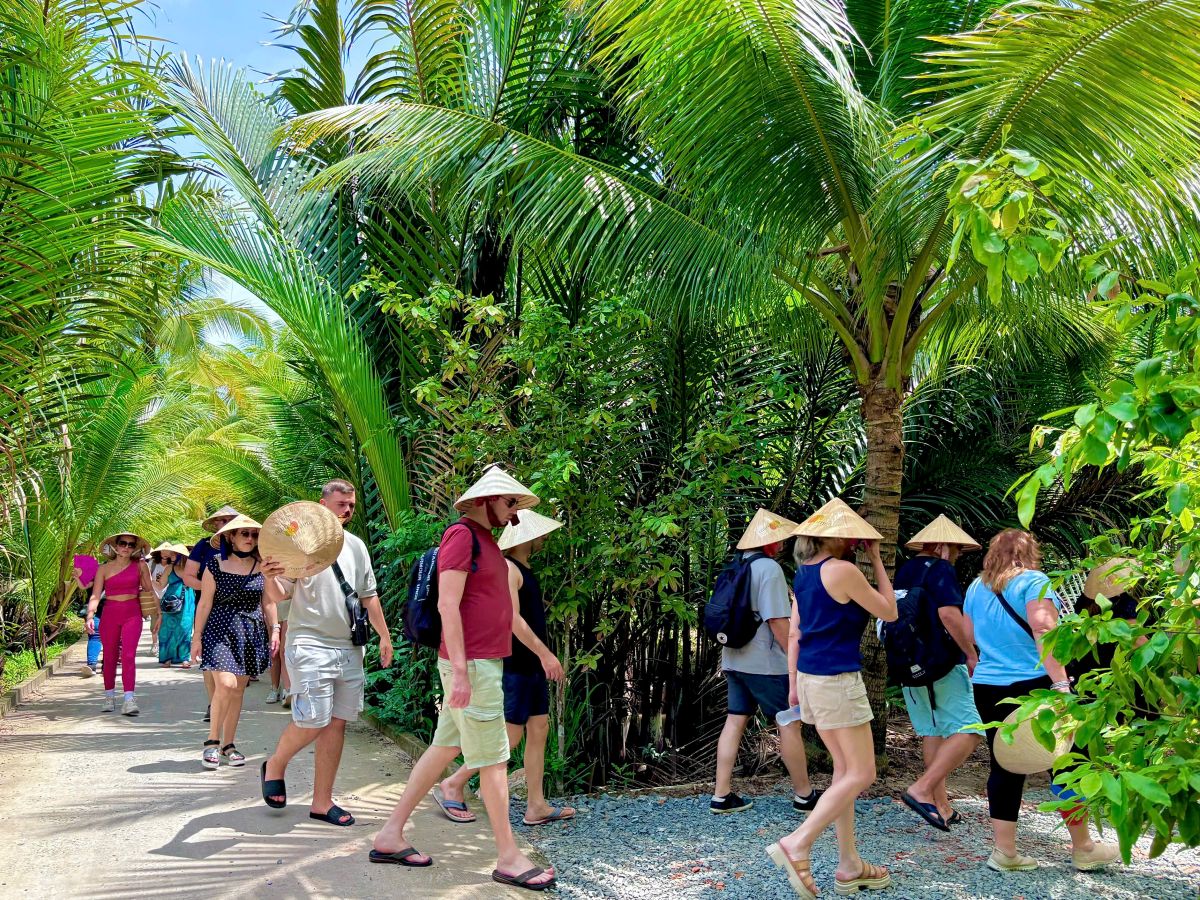
When travelers visit these communities with care and curiosity, they help keep these traditions alive. Every conversation, every shared meal, every homestay stay contributes to sustaining local ways of life in a rapidly changing world.
Choosing Homestays and Local Businesses
One of the most impactful ways to travel responsibly in the Mekong is by staying in family-run homestays and supporting local businesses.
These small enterprises ensure that tourism income flows directly to the community, not just large companies.
When you book a homestay in Vinh Long, Ben Tre, or Can Tho, you’re not only getting an authentic experience — you’re helping families improve their livelihoods.
Buy handmade crafts, eat at local eateries, rent bicycles from villagers, and take guided tours led by locals who know the land best.
Your choices matter. They empower communities and encourage pride in preserving cultural identity.
Respecting Nature and the River
The Mekong River is the lifeblood of the delta — but it’s also under threat from pollution, overfishing, and climate change.
Responsible travelers can make a real difference by minimizing their environmental footprint:
- Avoid single-use plastics; carry a refillable water bottle.
- Choose eco-friendly accommodations that manage waste responsibly.
- Never litter in rivers or canals, even accidentally.
- Be mindful of boat fuel use — opt for smaller, slower, locally run tours when possible.
Simple actions can help preserve the purity of the waterways and protect the diverse ecosystems that depend on them.
Learning, Not Just Visiting
Responsible travel is about engagement, not just observation.
Take the time to learn about the delta’s unique cultures — Vietnamese, Khmer, and Cham — and their traditions, beliefs, and daily routines.
When visiting temples or pagodas, dress respectfully and follow local customs.
Ask before taking photos of people, especially monks or elders.
These gestures of sensitivity show genuine respect and open doors to meaningful human connections.
Travel in the Mekong isn’t a checklist — it’s a conversation with the land and its people.
Joining Sustainable Tours and Projects
More eco-conscious tour operators now offer experiences that promote sustainability and community benefit.
Look for tours that support local conservation, such as tree planting, organic farming visits, or craft workshops where artisans earn fair wages.
In some areas, community-based tourism projects allow visitors to join river cleanups, help in local gardens, or learn traditional cooking techniques using homegrown ingredients.
These hands-on experiences enrich your journey and leave a positive mark behind.
Giving Back to the Delta
If you fall in love with the Mekong — as most travelers do — consider ways to give back.
Donate to local education programs, support NGOs working on environmental conservation, or simply spread the word about responsible travel.
Even small acts — choosing sustainability, saying thank you in Vietnamese (cảm ơn), or sharing stories that highlight the people rather than just the scenery — help shape a more thoughtful kind of tourism.
Traveling responsibly in the Mekong Delta means more than minimizing harm; it means becoming part of a shared story — one where travelers and locals work together to protect the beauty and spirit of this remarkable region.
By supporting local communities, respecting nature, and traveling with awareness, you help ensure that the river keeps flowing — not just through the landscape, but through generations to come.Because the Mekong is more than a destination.
It’s a living world — and when you travel with heart, you help it thrive.