"Every month paints the Mekong Delta in a different color. Sometimes it's golden with ripe rice fields, sometimes emerald green after tropical rains, and sometimes covered in floating water lilies as the floodwaters gently arrive. No matter when you visit, the Mekong Delta always has a story waiting to be told."
For many travelers planning a trip to Vietnam, one question comes up again and again: When is the best time to visit the Mekong Delta?
The simple answer is that there isn't just one perfect season. Unlike destinations that rely on four distinct seasons, the Mekong Delta follows the rhythm of tropical life. There are only two main seasons—the dry season and the rainy season—but each month offers something unique. Whether you're hoping to cruise through peaceful canals, wander colorful floating markets, cycle beneath endless coconut palms, or taste fresh tropical fruits straight from the orchard, choosing the right time can make your experience even more memorable.
Here's what you can expect throughout the year.
January – The Perfect Beginning
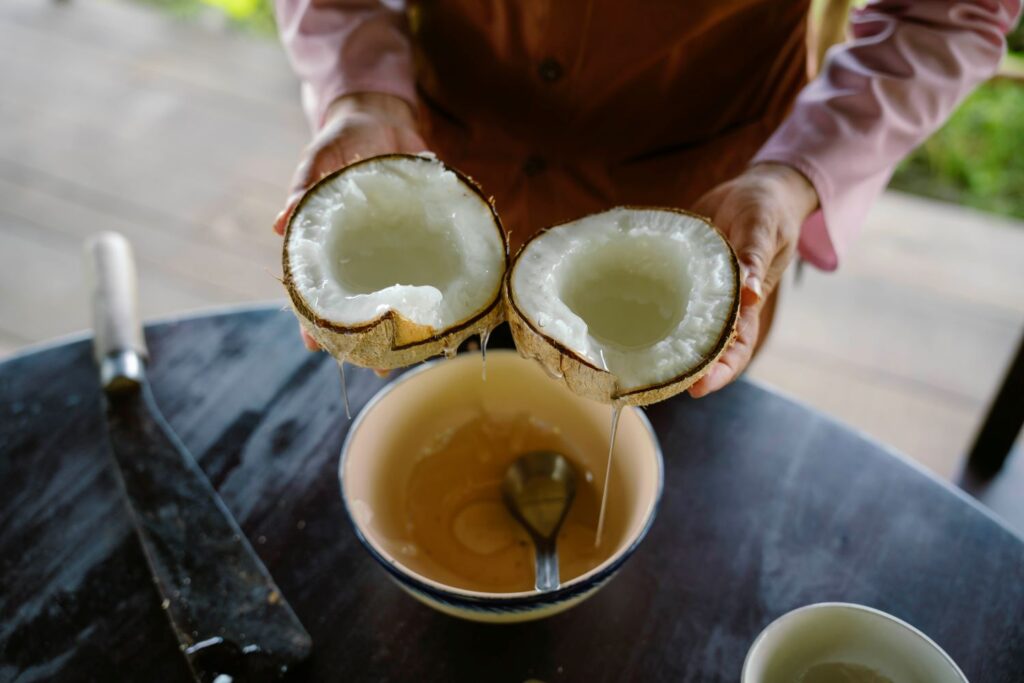
January is often considered one of the most pleasant months to explore the Mekong Delta. The skies are usually bright and blue, temperatures are warm without being overwhelming, and humidity remains comfortable. It's the kind of weather that encourages slow travel—morning boat rides, leisurely cycling through villages, and afternoons spent sipping fresh coconut juice by the river.
As Tet, Vietnam's Lunar New Year, approaches, many towns become decorated with colorful flowers and festive displays. Markets grow busier, families prepare traditional foods, and visitors can catch a glimpse of local traditions before the country's biggest celebration begins.
If you're visiting Vietnam for the first time, January is difficult to beat.
February – A Celebration of Culture
February continues the dry season with equally beautiful weather, but it also carries the festive spirit of Tet. Depending on the year, travelers may witness dragon dances, flower markets, temple ceremonies, and lively family gatherings.
Even after the holiday ends, the atmosphere remains cheerful. Orchards begin producing early fruits, gardens are beautifully maintained, and the countryside feels refreshed after the celebrations.
For photographers, this is one of the most colorful months of the year.
March – Sunshine and Endless Adventures
By March, the Mekong Delta enjoys long sunny days and very little rainfall. It's an ideal time for travelers who enjoy being outdoors.
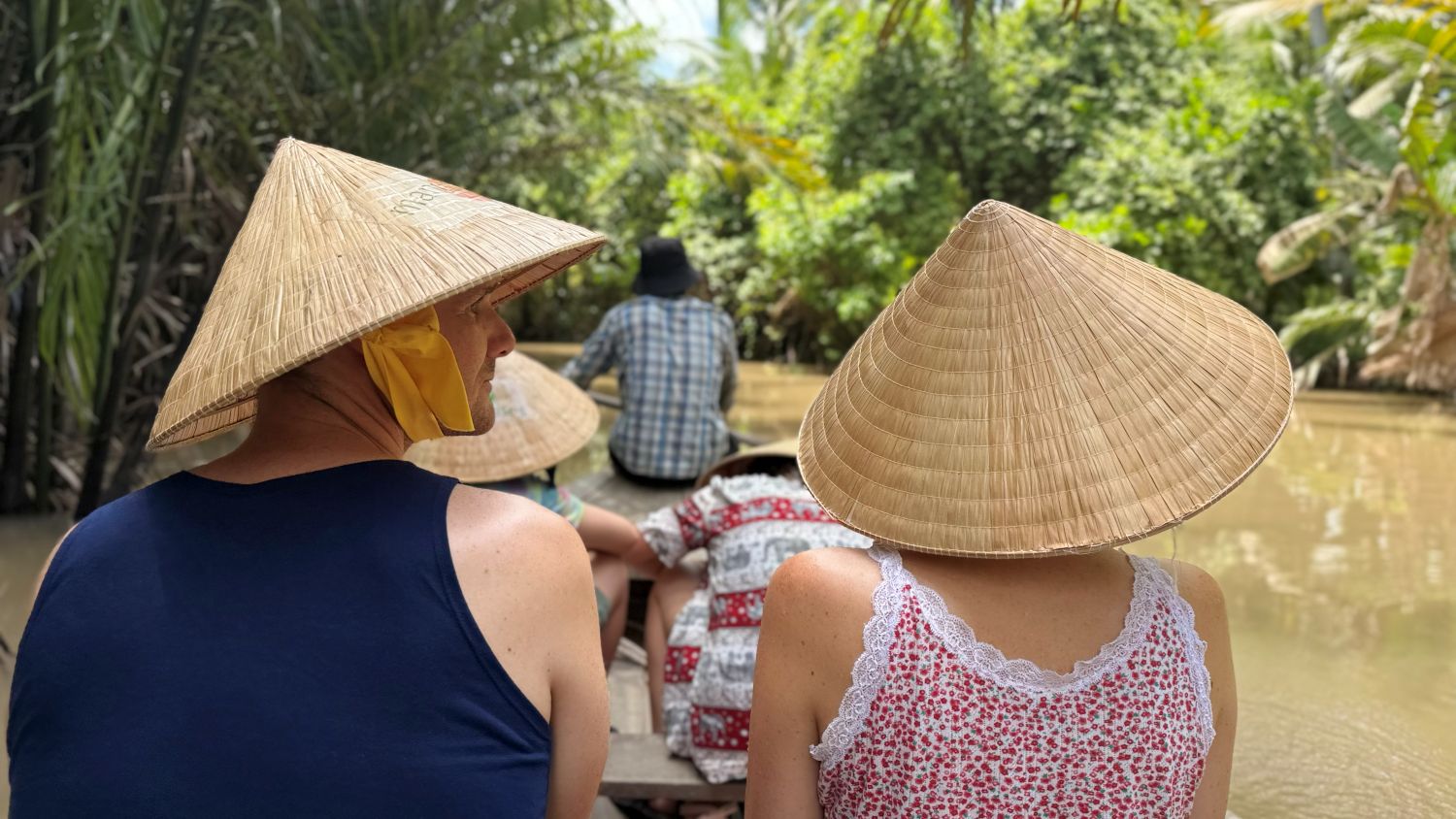
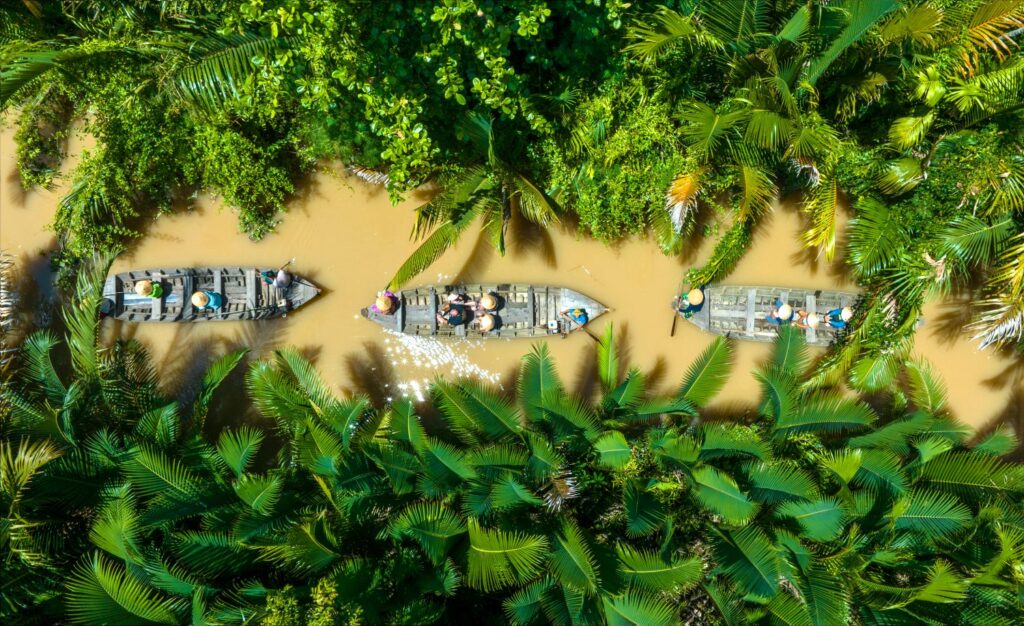
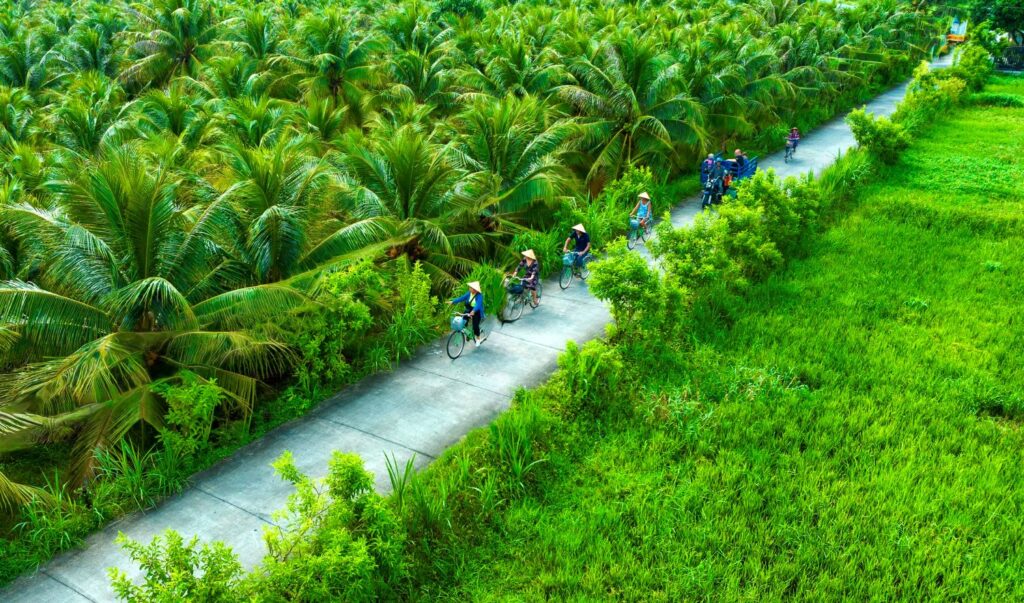
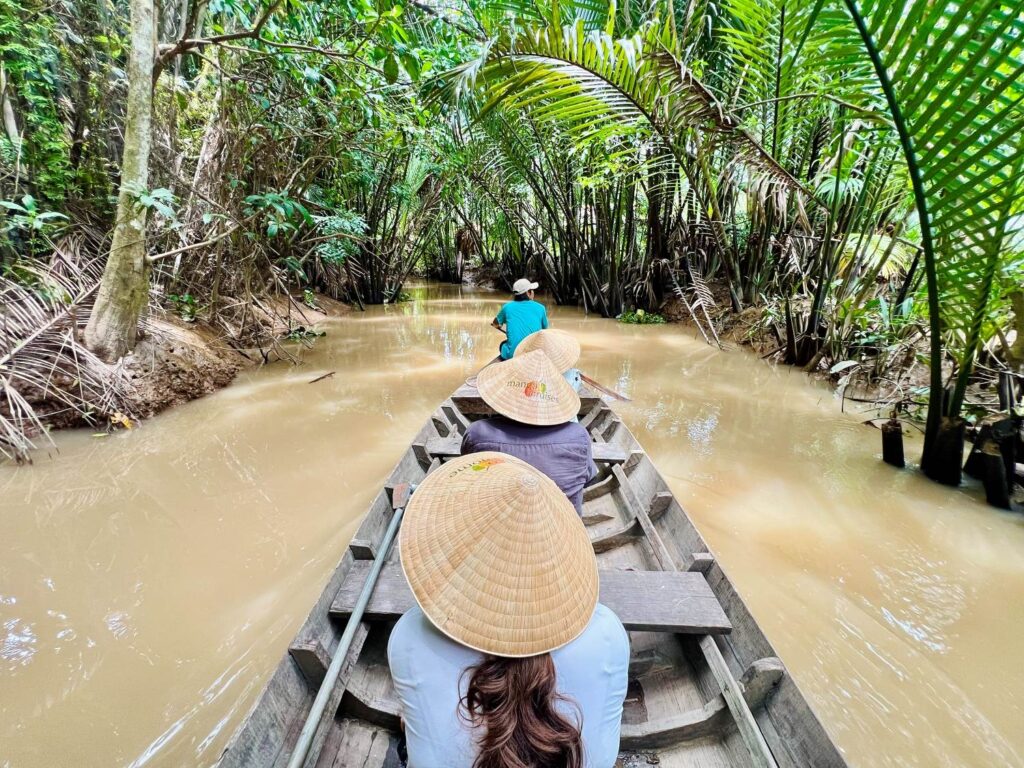
Small sampan boats glide quietly through narrow canals shaded by nipa palms, while cyclists can comfortably explore peaceful villages connected by tiny bridges and riverside paths. Floating markets are bustling early in the morning, and homestays welcome visitors eager to experience authentic local life.
Because the weather is so reliable, March is also one of the most popular months for multi-day Mekong Delta tours.
April – The Last Month of the Dry Season
As April arrives, temperatures begin to climb, but the Delta remains wonderfully accessible. Although afternoons can become quite warm, gentle river breezes help keep boat excursions enjoyable.
This is an excellent month for travelers who prefer fewer crowds before Vietnam enters its summer holiday season. The landscapes remain lush, canals are calm, and sunsets over the Mekong River become particularly spectacular, painting the sky with shades of orange, pink, and gold.
May – The Arrival of Tropical Fruits
If you're a food lover, May marks the beginning of one of the most exciting times to visit.
The first tropical rains breathe new life into the countryside, transforming orchards into vibrant green landscapes bursting with fruit. Mangoes, rambutans, mangosteens, durians, jackfruit, and star apples begin appearing across local farms.
One of the greatest pleasures of visiting the Mekong Delta during this season is stepping into an orchard, picking fruit directly from the trees, and tasting it just moments later. It's an experience that simply can't be replicated in a supermarket.
The occasional afternoon shower rarely disrupts sightseeing and often brings welcome relief from the tropical heat.
June and July – When Nature Comes Alive
As the rainy season settles in, the Mekong Delta becomes greener than ever. Rice paddies shimmer under fresh rain, coconut palms sway in the breeze, and canals overflow with life.
Contrary to what many visitors expect, rain rarely lasts all day. Instead, brief tropical showers usually arrive in the late afternoon, leaving mornings perfect for exploration.
These quieter months are ideal for travelers seeking a more authentic experience. Tourist numbers are lower, accommodation prices are often more affordable, and local communities continue their daily routines at an unhurried pace. It becomes easier to connect with residents, enjoy peaceful waterways, and appreciate the Delta's slower rhythm of life.
August to October – The Magic of the Floating Season
Perhaps the Mekong Delta's most remarkable transformation takes place between August and October.
This is the famous floating season, when water from the upper Mekong River gradually spreads across parts of the Delta. While flooding might sound alarming, local people have adapted to this natural cycle for generations, and many actually welcome it.
The rising waters replenish the soil, nourish fish populations, and create extraordinary landscapes unlike anywhere else in Vietnam. Water lilies bloom across flooded fields, fishermen cast traditional nets from small wooden boats, and birds return to the wetlands in impressive numbers.
Places like Tra Su Cajuput Forest, Tram Chim National Park, and the wetlands of Dong Thap become especially beautiful during this period. Nature photographers and wildlife enthusiasts often consider this the most rewarding season of the year.
November – A Gentle Transition
By November, rainfall begins to ease while the countryside remains incredibly green after months of abundant water.
The air feels fresher, temperatures become slightly more comfortable, and many agricultural areas begin preparing for new harvests. This is an excellent month for travelers who want to experience the beauty of the Delta without the larger crowds that arrive in December.
River cruises, cycling excursions, and floating market visits all become increasingly pleasant as the dry season slowly returns.
December – Sunshine Returns
December welcomes the start of the dry season once again, bringing bright skies and comfortable temperatures.
For many international visitors escaping winter in Europe or North America, the Mekong Delta offers a refreshing contrast. Warm sunshine, lush tropical scenery, and peaceful river life create the perfect setting for a relaxing holiday.
It's also one of the busiest travel months, so booking accommodations and tours in advance is highly recommended.
So, When Is the Best Time to Visit the Mekong Delta?
The truth is that the Mekong Delta doesn't have a bad season—only different experiences.
If you dream of blue skies, comfortable weather, and effortless sightseeing, the dry season from December to April is the ideal choice. Travelers who want to indulge in Vietnam's incredible tropical fruits should plan their journey between May and August, when orchards are overflowing with fresh produce. And for those seeking something truly unique, the floating season from August to October reveals a side of the Delta that few places on Earth can match.
The beauty of the Mekong Delta lies not only in its rivers and landscapes but also in its ever-changing character. Every month tells a different story. Whether you're drifting through quiet canals at sunrise, sharing a meal with a local family, or watching life unfold at a bustling floating market, you'll discover that the Mekong Delta isn't simply a place to visit—it's a destination to experience, slowly and deeply.