
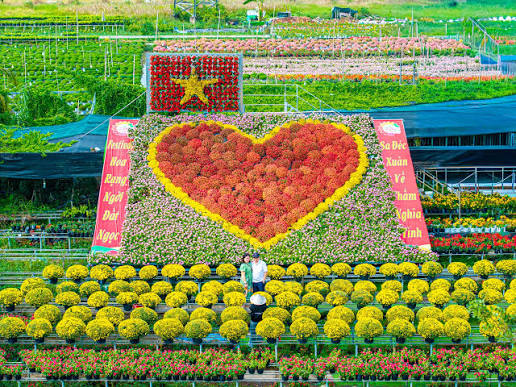
Imagine cycling along quiet village lanes surrounded by thousands of colorful flowers, watching local growers carefully tend their plants, and discovering a traditional craft that has flourished for generations. Welcome to Sa Dec Flower Village, one of the most charming destinations in Vietnam's Mekong Delta.
Located in Dong Thap Province in southern Vietnam, Sa Dec is widely known as the flower capital of the Mekong Delta. Beyond its vibrant gardens, the village offers a glimpse into local agricultural traditions, the rhythms of riverside life, and the dedication of families who have cultivated flowers for generations.
Whether you are a nature lover, a photography enthusiast, or a traveler seeking authentic local experiences, Sa Dec Flower Village deserves a place on your Mekong Delta itinerary.
1. Discover the Story Behind Sa Dec Flower Village
Sa Dec Flower Village traces its roots to the late 19th and early 20th centuries, when local families began growing flowers in the Tan Quy Dong area. What started as small household gardens gradually developed into a thriving horticultural community.
Today, Sa Dec is one of southern Vietnam's best-known centers for ornamental flowers and plants. Generations of growers have developed their skills in cultivating a remarkable variety of flowers, bonsai trees, and ornamental greenery.
The village is particularly famous for its chrysanthemums, roses, marigolds, and other seasonal blooms. Its flowers supply markets throughout Vietnam, especially during Tet, the Vietnamese Lunar New Year, when families decorate their homes with fresh flowers and ornamental plants.
However, Sa Dec is more than a place where flowers are grown and sold. It is a living craft village where traditional knowledge, family livelihoods, and local identity remain closely connected.
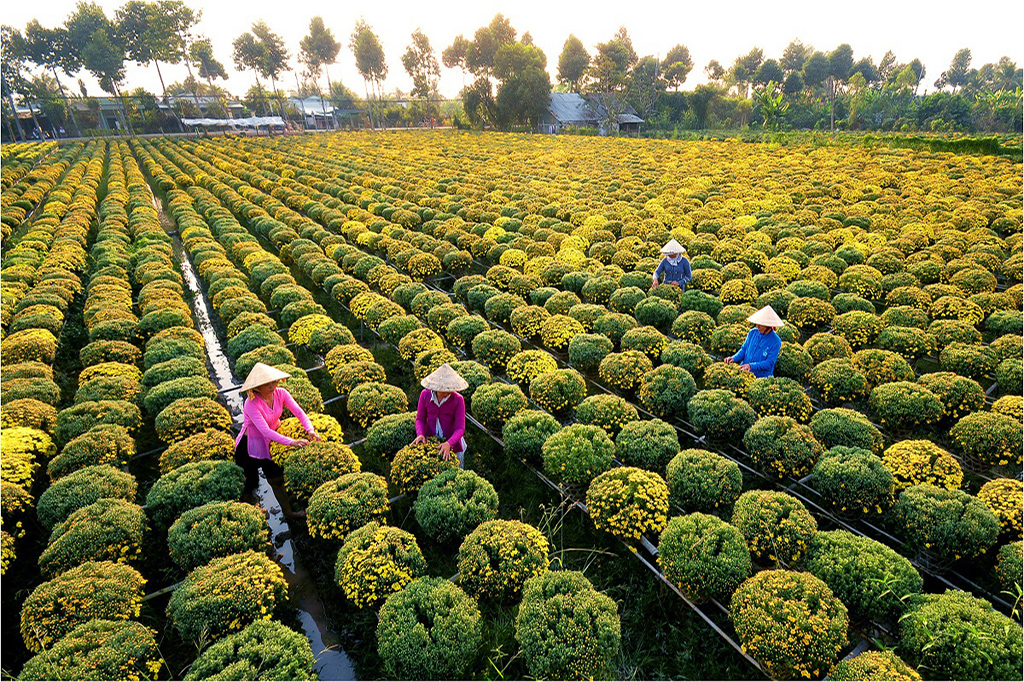
(Source: SOCIALIST REPUBLIC OF VIET NAM Government News)
2. What Makes Sa Dec Flower Village Unique?
One of the most distinctive features of Sa Dec is its unusual flower-growing technique.
Unlike conventional flower fields where plants grow directly in the soil, many growers place their flowers on raised platforms above shallow water. Wooden frames and narrow walkways allow farmers to move between the plants while canals provide water for cultivation.
This method creates a fascinating landscape: rows of colorful flowers appear to float above the water, reflecting the close relationship between agriculture and the waterways of the Mekong Delta.
The system also reflects the ingenuity of local growers, who have adapted their farming practices to the region's water conditions.
As you explore the village, you may see farmers watering plants, pruning leaves, arranging flowerpots, and preparing their products for transport. These everyday activities offer a glimpse into the work behind the region's celebrated floral displays.
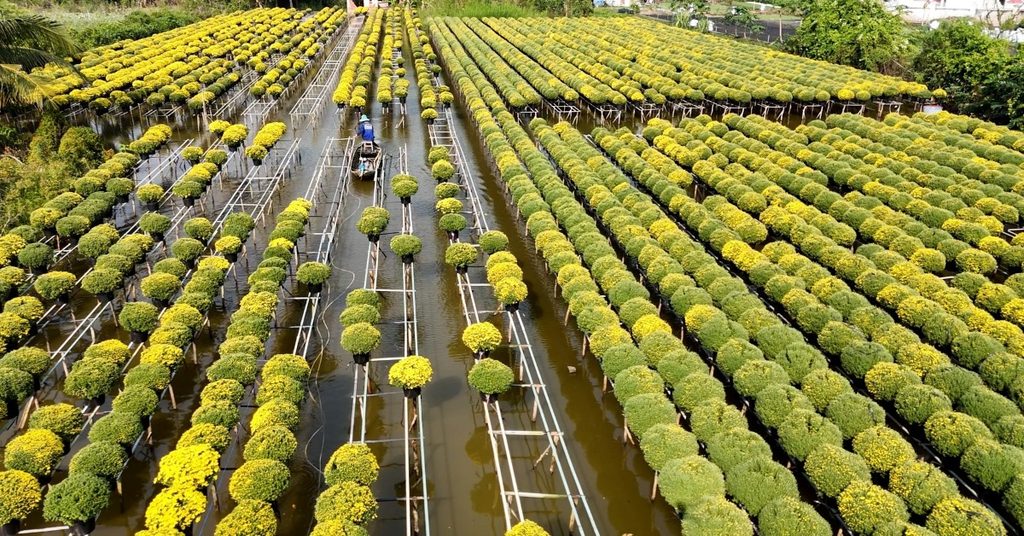
(Source: VietNamNet)
3. Best Things to Do in Sa Dec Flower Village
Admire Thousands of Colorful Flowers
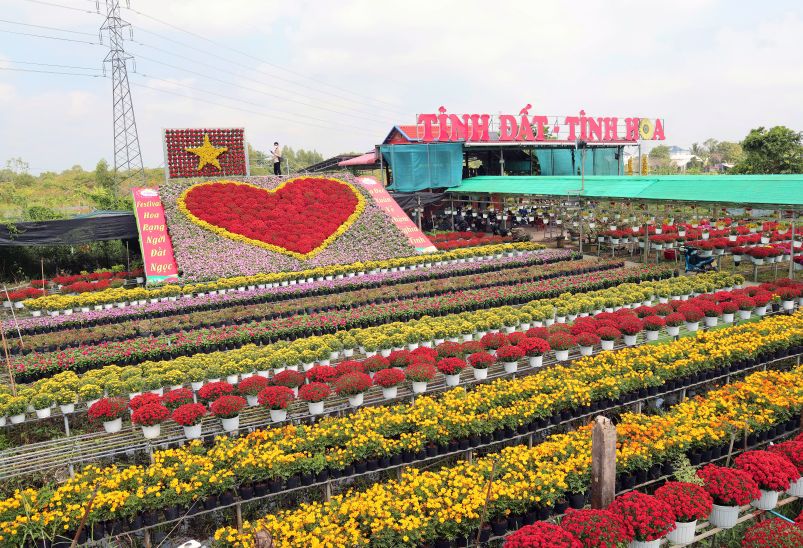
The first thing you will notice is the extraordinary variety of plants. Depending on the season and the individual gardens you visit, you may see chrysanthemums, roses, marigolds, petunias, and many other ornamental varieties.
Take your time walking through the gardens, observing the different colors and arrangements. The combination of flowers, water channels, and traditional growing structures makes Sa Dec especially appealing to photographers.
(Source: Lao Dong Newspaper)
Meet Local Flower Growers
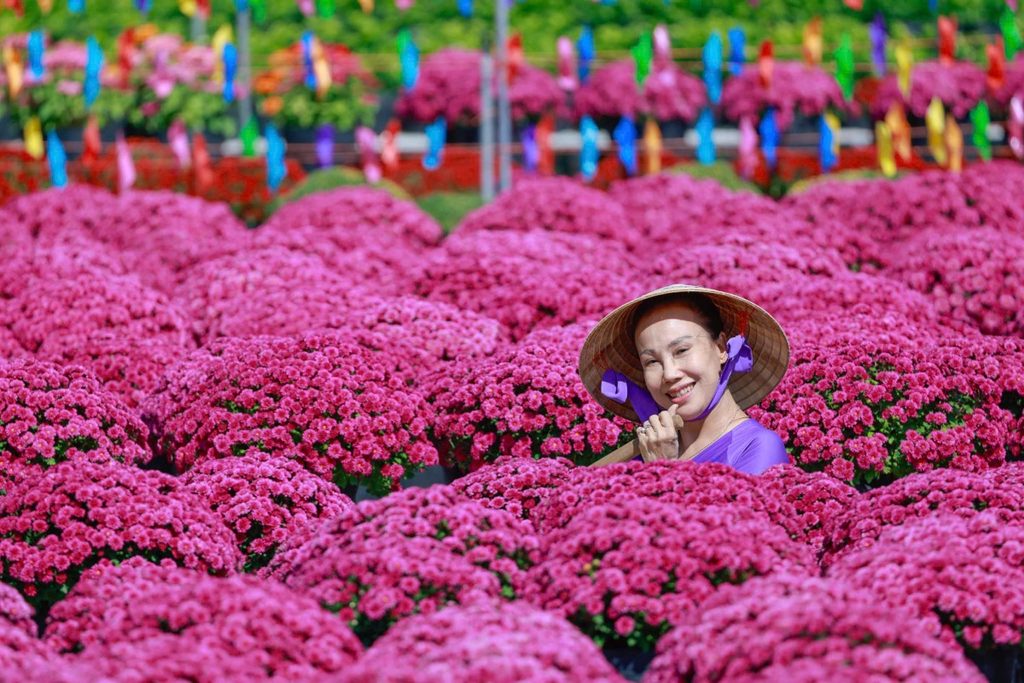
Visiting a flower garden is also an opportunity to learn about the people behind this traditional industry.
Some gardens welcome visitors who want to discover how flowers are propagated, cared for, and prepared for sale. Depending on the garden and the season, you may be able to speak with local growers and learn about the challenges of maintaining plants in the Mekong Delta's tropical climate.
Consider asking permission before photographing farmers or entering working areas.
(Source: Tuoi Tre Newspaper)
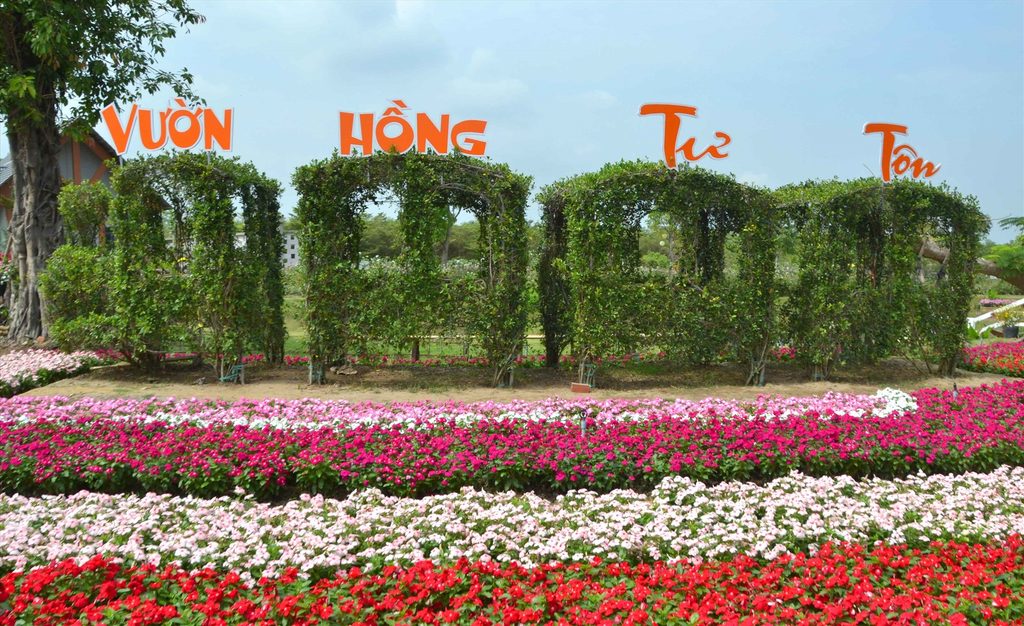
Visit Tu Ton Rose Garden
Tu Ton Rose Garden is closely associated with the development of Sa Dec's flower-growing tradition. Its history is connected with the cultivation of imported rose varieties and the work of generations of local growers.
For visitors interested in horticulture and local heritage, the garden provides another perspective on how individual family gardens helped establish Sa Dec's reputation as a major flower-producing destination.
Check current visitor access before including the garden in your itinerary.
(Source: Lao Dong Newspaper)
Take Beautiful Travel Photographs
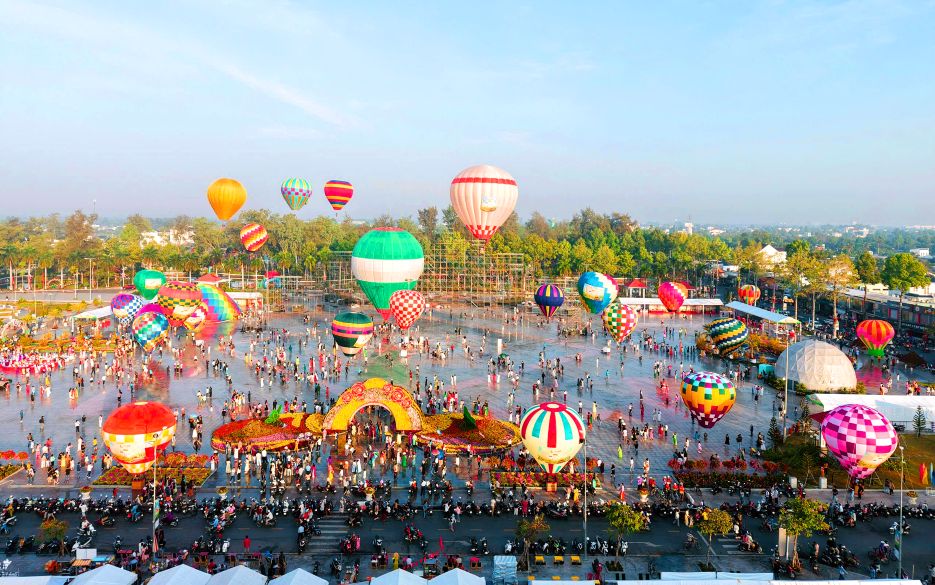
Sa Dec is a wonderful destination for photography, particularly if you enjoy colorful landscapes and everyday rural scenes.
Look for reflections in the water, close-up details of flowers, rows of flowerpots, and the contrast between bright blooms and the surrounding greenery.
Early morning is often a pleasant time to explore, with softer light and cooler temperatures. During the busy season before Tet, the gardens can be especially vibrant, although popular visitor areas may also be crowded.
(Source: Lao Dong Newspaper)
Explore the Village at a Relaxed Pace
Rather than rushing from one photo spot to another, consider spending time exploring the small roads and canals around the flower-growing areas.
Depending on local conditions and available services, you may be able to explore by bicycle or combine a visit to the gardens with other cultural attractions in Sa Dec.
A slower pace allows you to appreciate the village as a working agricultural community, not simply as a collection of colorful gardens.
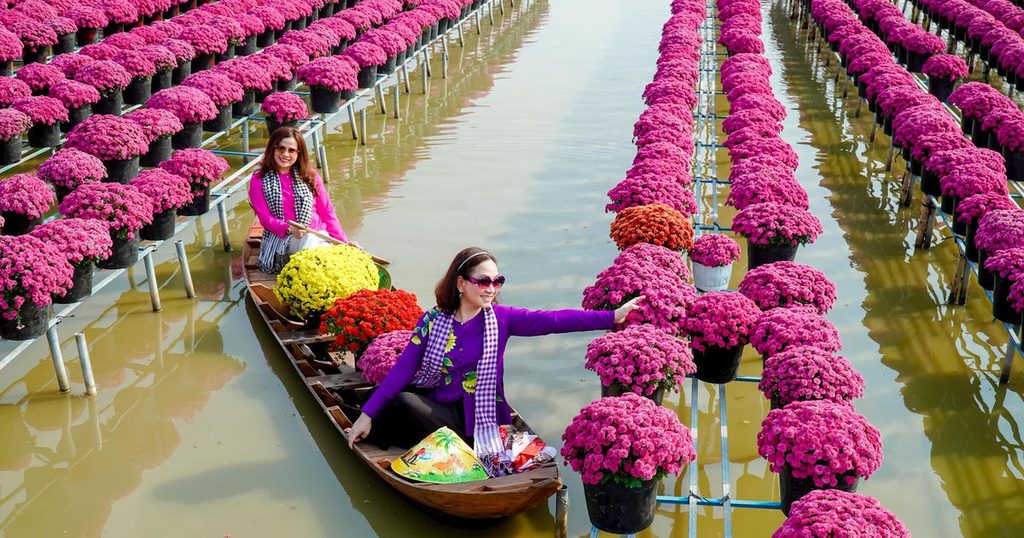
(Source: Dai Doan Ket Newspaper)
4. When Is the Best Time to Visit Sa Dec Flower Village?
Sa Dec Flower Village can be visited throughout the year, but the experience changes with the seasons and the growing cycles of individual plants.
November to January: Preparing for Tet
The weeks leading up to Tet are among the most exciting times to visit. Flower growers prepare large quantities of ornamental plants for the holiday market, and many gardens become particularly colorful as flowers are readied for sale.
This period offers excellent opportunities to observe the commercial side of the flower-growing industry as well as the festive atmosphere surrounding the Lunar New Year.
The exact flowering period varies by species and growing conditions, so not every flower will be at its peak at the same time.
Around Tet: The Most Festive Atmosphere
In the weeks immediately before Tet, Sa Dec often becomes especially lively as buyers, traders, and visitors arrive to see the flowers and purchase plants for the holiday.
If you enjoy vibrant scenes and cultural activities, this can be an excellent time to visit. However, expect more visitors and potentially busier roads during peak days.
Tet follows the lunar calendar, so the corresponding dates on the Gregorian calendar change each year.
Other Times of the Year
You do not have to visit during Tet to enjoy Sa Dec. The village cultivates a wide range of ornamental plants, allowing visitors to see flowers in different stages of growth throughout the year.
For a quieter experience, consider visiting outside the busiest pre-Tet period. If seeing a particular flower is important to you, contact the garden in advance to confirm what is currently blooming.
5. How to Get to Sa Dec Flower Village
Sa Dec is located in Dong Thap Province, in the Mekong Delta region of southern Vietnam. It can be visited as a day trip from nearby destinations or incorporated into a longer journey through the delta.
From Ho Chi Minh City
Travelers can reach Sa Dec by road using a bus or private vehicle. The journey generally takes several hours, depending on traffic, departure point, and road conditions.
A private transfer offers greater flexibility if you want to stop along the way or visit several attractions in one trip.
From Can Tho
Sa Dec can also be combined with a visit to Can Tho, home to the famous Cai Rang Floating Market. Travel time depends on the route and traffic, so allow sufficient time when planning a multi-stop itinerary.
With a Mekong Delta Tour
Joining an organized Mekong Delta tour can simplify transportation and help you combine Sa Dec with other destinations in southern Vietnam.
Before booking, check which attractions are included, how much time is allocated to each stop, and whether the itinerary includes transportation, meals, or a local guide.
Because travel times and tour schedules vary, confirm the latest arrangements before departure.
6. Other Places to Visit in Sa Dec
If you have extra time, consider combining the flower village with other attractions in and around Sa Dec.
Huynh Thuy Le Ancient House
This historic riverside house is known for its distinctive architectural influences and its association with the story behind Marguerite Duras's novel The Lover (L'Amant). It offers an interesting contrast to the agricultural landscape of the flower village.
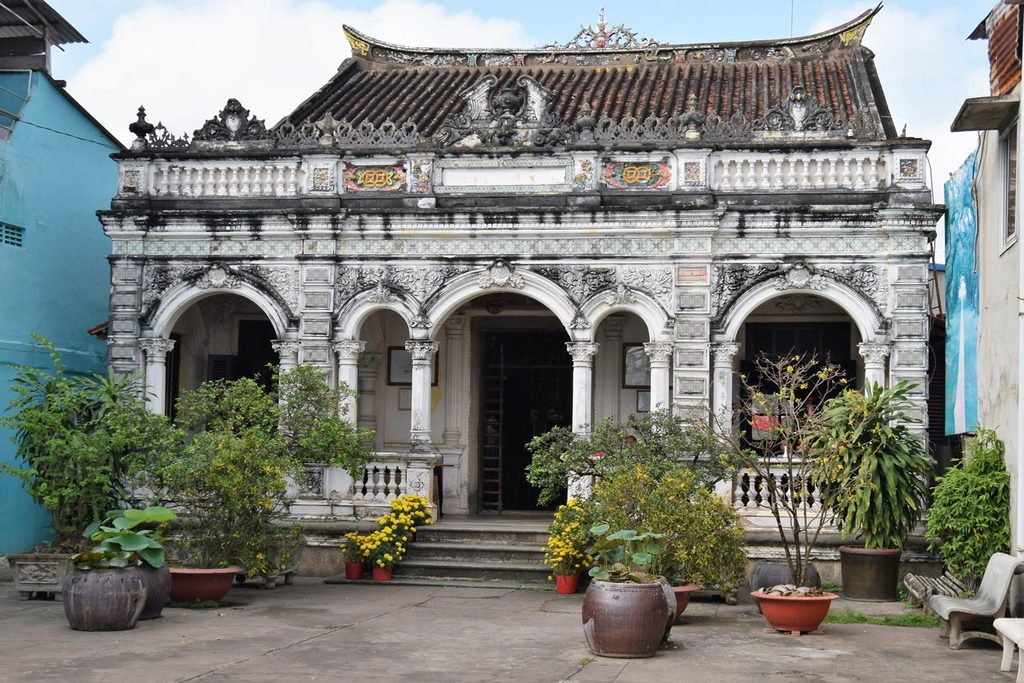
(Source: TNK Travel)
Kien An Cung Pagoda
Kien An Cung is a historic Chinese-community pagoda known for its ornate decorative details and traditional architecture. It offers insight into the cultural heritage of Sa Dec.
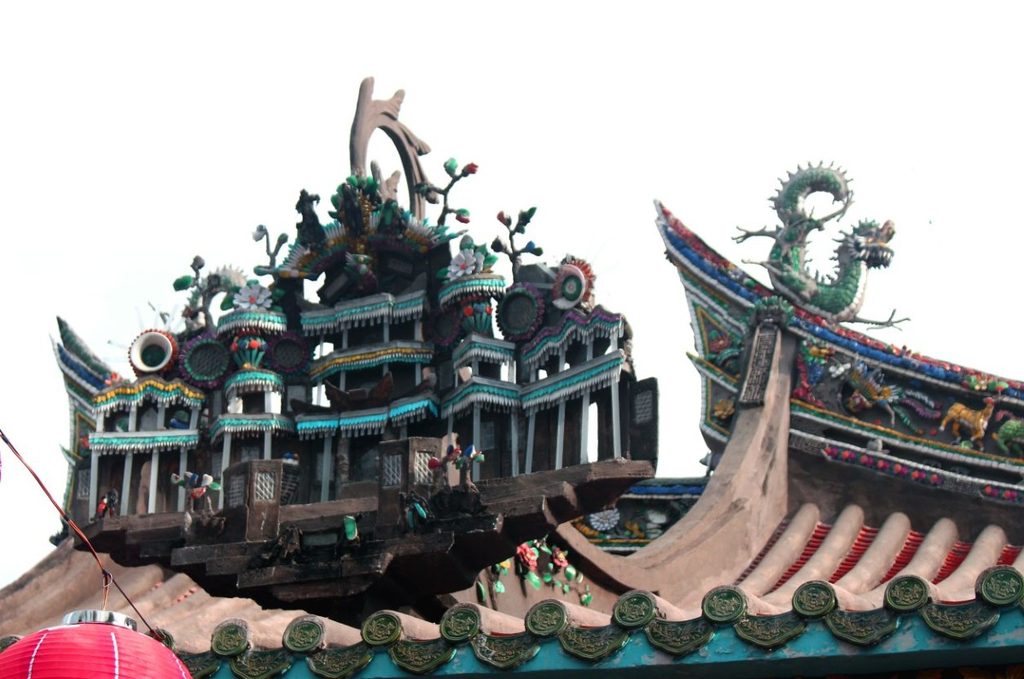
(Source: Lao Dong Newspaper)
Sa Dec Market
A visit to the local market offers a different view of everyday life, with fresh produce, regional ingredients, and local specialties. It is a good place to observe the daily rhythms of the town.
Combining these attractions allows you to experience more than the flower gardens and gain a broader understanding of Sa Dec's history and local culture.
7. What to Eat When Visiting Sa Dec
No visit to the Mekong Delta would be complete without exploring its local food.
One specialty associated with Sa Dec is hu tieu, a noodle dish served in a flavorful broth with rice noodles and a selection of meat or seafood, depending on the preparation.
You can also look for other southern Vietnamese favorites, including fresh spring rolls, regional noodle dishes, tropical fruits, and traditional snacks sold at local markets.
Food offerings vary by season and vendor. For the most authentic experience, consider asking local residents or your guide for recommendations.
8. Travel Tips for Visiting Sa Dec Flower Village
Wear comfortable shoes. You may spend a considerable amount of time walking around gardens and along narrow paths.
Bring sun protection. The gardens can have limited shade, especially around midday. A hat, sunscreen, and drinking water are useful.
Visit early in the day. Morning visits can offer more comfortable temperatures and pleasant lighting for photography.
Respect working gardens. Many flower gardens are active businesses. Ask before entering restricted areas, touching plants, or taking close-up photographs of workers.
Check seasonal conditions. The variety and quantity of flowers depend on growing cycles and the time of year. Confirm flowering conditions if you have specific expectations.
Allow time for other attractions. If you are traveling from Ho Chi Minh City, consider whether a day trip will leave enough time for the flower village and any additional stops you wish to make.
9. Is Sa Dec Flower Village Worth Visiting?
Absolutely, especially if you want to discover a different side of the Mekong Delta.
While destinations such as Cai Rang Floating Market are famous for their river-based commerce, Sa Dec reveals another important part of the region's identity: its agricultural traditions and the close relationship between local communities and the land and water around them.
The flower village is particularly rewarding for travelers who enjoy photography, local culture, horticulture, and slower-paced experiences. It can also be a refreshing addition to a longer itinerary through southern Vietnam.
For the most memorable visit, take time to look beyond the colorful displays and appreciate the people, skills, and generations of work that have shaped this remarkable landscape.
Discover the Mekong Delta with Mekong
From colorful flower gardens in Sa Dec to waterways, traditional villages, and local markets, the Mekong Delta offers many ways to experience southern Vietnam beyond its major cities.
Explore the region at a relaxed pace, meet local communities, and discover the traditions that make each destination unique.
Contact Mekong to explore available tours and plan a journey through the waterways, countryside, and cultural heritage of the Mekong Delta.