Hidden in the heart of Vietnam’s Mekong Delta, Tra Su Cajuput Forest is a peaceful natural retreat where winding waterways, towering cajuput trees, and lush green vegetation create a landscape unlike anywhere else in southern Vietnam.
Located in An Giang Province, near Chau Doc, this remarkable wetland destination offers visitors a chance to experience the quieter side of the Mekong Delta. Instead of bustling city streets and busy markets, the forest invites travelers to glide through narrow canals, observe birds in their natural habitat, and reconnect with nature.
Whether you are a nature enthusiast, a photography lover, or a traveler seeking authentic experiences beyond the usual tourist trail, Tra Su Cajuput Forest deserves a place on your southern Vietnam itinerary.
1. Discover the Natural Beauty of Tra Su Cajuput Forest
Tra Su Cajuput Forest covers approximately 845 hectares in An Giang Province, making it one of the Mekong Delta’s distinctive wetland destinations. Its landscape is characterized by dense cajuput trees, peaceful waterways, and vegetation that changes with the seasons.
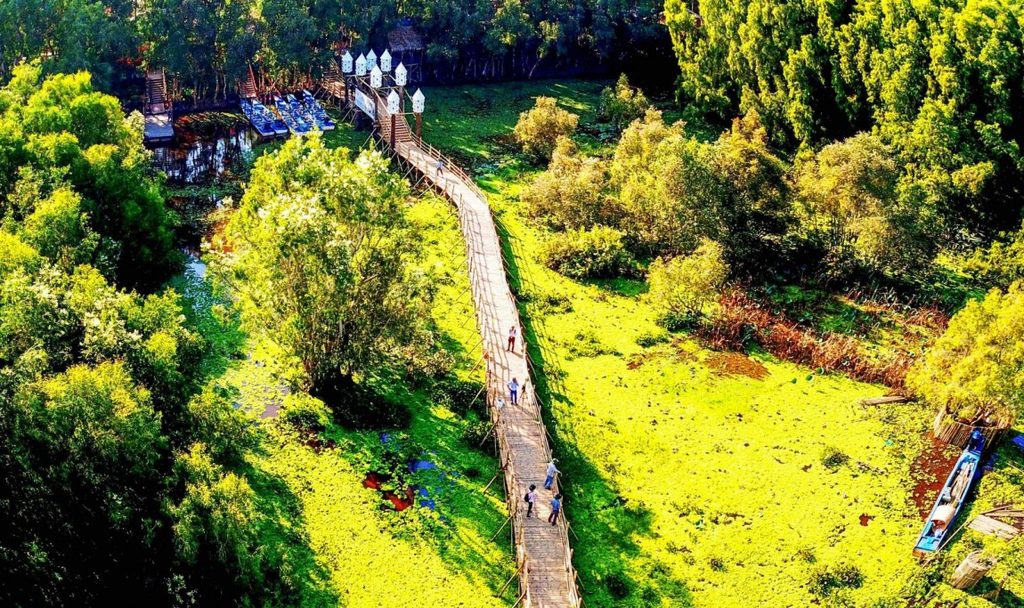
During the flooding season, the water surface can become covered with a carpet of tiny green aquatic plants, creating the forest’s iconic emerald appearance. Reflections of the trees shimmer across the canals, while the surrounding vegetation provides shelter for numerous bird and animal species.
The forest is more than a scenic attraction. It also plays an important role in wetland conservation and provides valuable habitat for wildlife, including a variety of waterbirds.
For visitors, the greatest appeal lies in the opportunity to experience this environment at a slower pace. Every turn along the waterways reveals a different perspective, from sunlit patches of water to shaded passages beneath the trees.
(Source: An Giang Newspaper)
2. Glide Through the Forest on a Traditional Boat
A boat journey is one of the most memorable ways to explore Tra Su Cajuput Forest.
Visitors typically travel along the main waterways before continuing into narrower canals on a small rowing boat. As the boat moves gently between the trees, the sounds of engines and busy roads give way to birdsong, rustling leaves, and the soft movement of water.
During the flooding season, aquatic plants often spread across the water's surface, parting as the boat passes. The resulting green pathways create a distinctive visual experience and wonderful opportunities for photography.
The slower pace also allows travelers to appreciate details they might otherwise miss: the intricate roots of the trees, birds resting on branches, and sunlight filtering through the foliage.
For the most rewarding visit, take your time and enjoy the journey rather than treating the boat ride simply as transportation. The quiet atmosphere is an essential part of what makes Tra Su special.

3. Observe Birds and Explore the Wetland Ecosystem
Tra Su is an appealing destination for travelers interested in biodiversity and birdwatching.
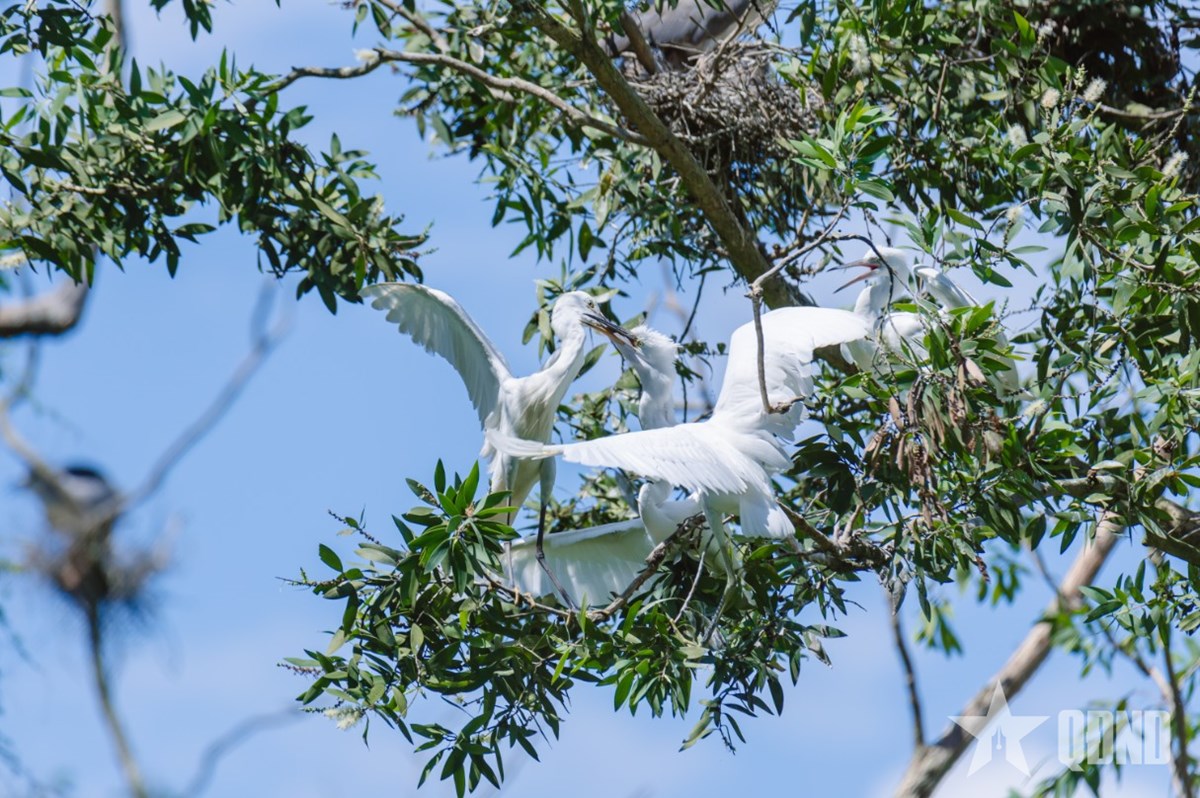
The forest supports a variety of bird species, including waterbirds that depend on wetland habitats for food and shelter. Depending on the season and conditions, visitors may see birds resting among the treetops, feeding along the waterways, or flying above the forest.
One of the best ways to appreciate the ecosystem is to observe wildlife quietly and from a respectful distance. Early mornings and late afternoons can offer particularly rewarding opportunities, although sightings are never guaranteed.
Beyond birdwatching, the forest showcases the relationship between water, vegetation, and wildlife in the Mekong Delta. Its waterways and dense greenery create a distinctive habitat that contributes to the region's ecological diversity.
For travelers seeking more than sightseeing, a visit to Tra Su offers an opportunity to better understand the natural environments that shape life in southern Vietnam.
(Source: People’s Army Newspaper)
4. Walk Along the Bamboo Bridge and Enjoy Panoramic Views
While the waterways reveal the forest from a low vantage point, walking along the bamboo bridge offers a different perspective.
The elevated walkway winds through the greenery, allowing visitors to explore the landscape on foot. Surrounded by cajuput trees, the bridge provides opportunities to pause, take photographs, and appreciate the atmosphere of the wetland from above the water.
Observation points also allow visitors to look across the forest canopy and appreciate the scale of the surrounding landscape.
For photography enthusiasts, the contrast between green vegetation, wooden structures, reflections, and natural light makes the forest particularly rewarding to explore.
Wear comfortable walking shoes and allow enough time to enjoy the walk without rushing. The combination of boating and walking provides a more complete experience of Tra Su's natural scenery.
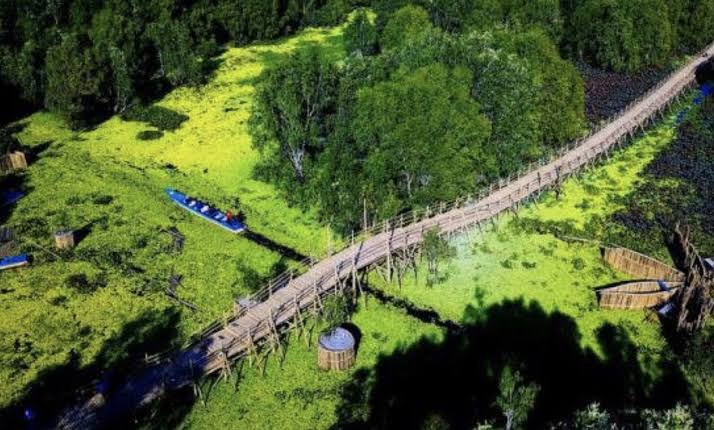
(Source: Tuoi Tre Newspaper)
5. When Is the Best Time to Visit Tra Su Cajuput Forest?
The experience at Tra Su changes throughout the year, with water levels and vegetation influencing the appearance of the forest.
Flooding season: September to November
This is generally considered one of the most attractive periods to visit. Water levels rise, aquatic vegetation spreads across the waterways, and the forest often takes on its characteristic lush green appearance.
It is an especially appealing time for boat excursions, landscape photography, and observing the wetland environment.
Dry season: December to April
The forest remains worth visiting during the drier months, when visitors can still enjoy boat trips, walking routes, and opportunities to observe wildlife. The appearance of the waterways may differ as water levels and aquatic vegetation change.
Late dry season and early rainy season: May to August
Conditions can be hot and humid, with changing rainfall patterns. The landscape continues to offer opportunities for nature exploration, but visitors should check local weather and operating conditions before traveling.
For the most atmospheric experience, consider arriving early in the morning or later in the afternoon, when temperatures are often more comfortable and the light can be especially beautiful.
Seasonal conditions vary, so the greenest scenery and wildlife sightings cannot be guaranteed on specific dates.
6. Discover Local Flavors in An Giang
A visit to Tra Su can also be an introduction to the distinctive cuisine of the Mekong Delta.
An Giang's food culture reflects the region's rivers, agricultural landscapes, and diverse communities. Local specialties often feature freshwater fish, seasonal vegetables, rice-based dishes, and ingredients harvested from the surrounding countryside.
Travelers may wish to try bánh bò thốt nốt, a traditional sweet cake made with sugar palm, or sample regional fish dishes and hotpots prepared with local herbs and vegetables.
Fresh sugar palm juice is another refreshing option, particularly on warm days.
Depending on your itinerary, you can enjoy these dishes at local restaurants around the Tra Su and Chau Doc area. Asking about seasonal specialties is a good way to discover flavors that reflect the time of year and the region's culinary traditions.
Food adds another dimension to the journey, connecting the forest experience with the everyday life and agricultural heritage of An Giang.
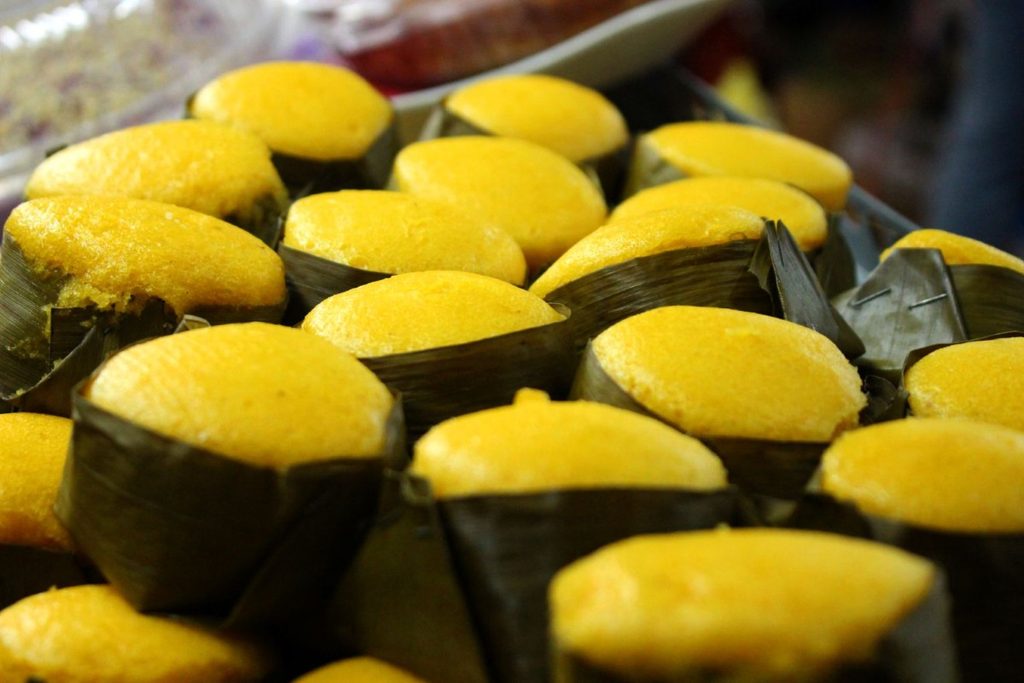
(Source: Lao Dong Newspaper)
7. Combine Tra Su with a Visit to Chau Doc
Tra Su Cajuput Forest pairs naturally with Chau Doc, a riverside town known for its cultural diversity, religious landmarks, and connections to the Mekong River.
Travelers can combine a forest excursion with visits to local temples and pagodas, explore the riverside atmosphere, or learn about the communities that have shaped the region.
Chau Doc is also known for its floating village, where fish farming has long been part of local livelihoods. Visitors interested in cultural experiences may explore Cham communities in the surrounding area, including traditional architecture and distinctive culinary traditions.
Combining these experiences creates a more varied journey: one that balances nature, culture, food, and everyday life.
For travelers with limited time, Tra Su can be included as part of a broader excursion around Chau Doc. Those with more time can slow down and explore the surrounding region in greater depth.
8. Practical Tips for Visiting Tra Su Cajuput Forest
A little preparation can make your visit more comfortable and enjoyable.
- Wear lightweight clothing: The weather can be hot and humid, so breathable fabrics are a practical choice.
- Bring sun protection: A hat, sunscreen, and drinking water are useful, particularly when walking along exposed sections of the bridge.
- Use insect repellent: The forest's wetland environment makes insect protection worth considering.
- Bring a camera or binoculars: These can help you appreciate the landscape and observe wildlife from a distance.
- Follow local guidance: Respect designated visitor routes and avoid disturbing birds or other wildlife.
- Check conditions before departure: Boat operations, water levels, weather, and entrance arrangements may vary. Confirm current details with the local operator before visiting.
Allow around half a day for a relaxed exploration, depending on the activities you choose and your onward travel arrangements.
9. How to Include Tra Su Cajuput Forest in Your Mekong Delta Journey
Tra Su is located in An Giang Province, with Chau Doc serving as a convenient base for exploring the surrounding region.
From Ho Chi Minh City, travelers generally need to allow several hours for the road journey to Chau Doc. The exact travel time depends on traffic, departure point, and road conditions.
There are several ways to include Tra Su in a southern Vietnam itinerary:
- A day excursion from Chau Doc: Ideal for travelers who want to focus on the forest, with time for a boat trip, a walk along the bamboo bridge, and local food.
- A two-day Chau Doc and Tra Su journey: Allows more time to explore the forest alongside cultural attractions, riverside communities, and regional cuisine.
- A longer Mekong Delta itinerary: Combines nature and cultural experiences in An Giang with other destinations in the delta, depending on travel time and personal interests.
The right option depends on your schedule, preferred pace, and whether you want to focus primarily on nature or explore a wider range of Mekong Delta experiences.
Experience the Natural Side of the Mekong Delta
The Mekong Delta is more than a network of rivers and floating markets. It is a region of rich ecosystems, distinctive food traditions, welcoming communities, and landscapes that reward travelers who take the time to explore.
At Mekong Delta Tours, we create tailor-made journeys that help travelers discover Vietnam through experiences suited to their interests and travel style.
Whether you want to explore Tra Su Cajuput Forest, discover the cultural heritage of Chau Doc, or combine the region with other destinations in southern Vietnam, a thoughtfully planned itinerary can help you experience more of the Mekong Delta at your own pace.
Let the waterways lead you into a greener, quieter side of Vietnam. Contact us to plan your next Mekong Delta adventure.